January 20, 2026
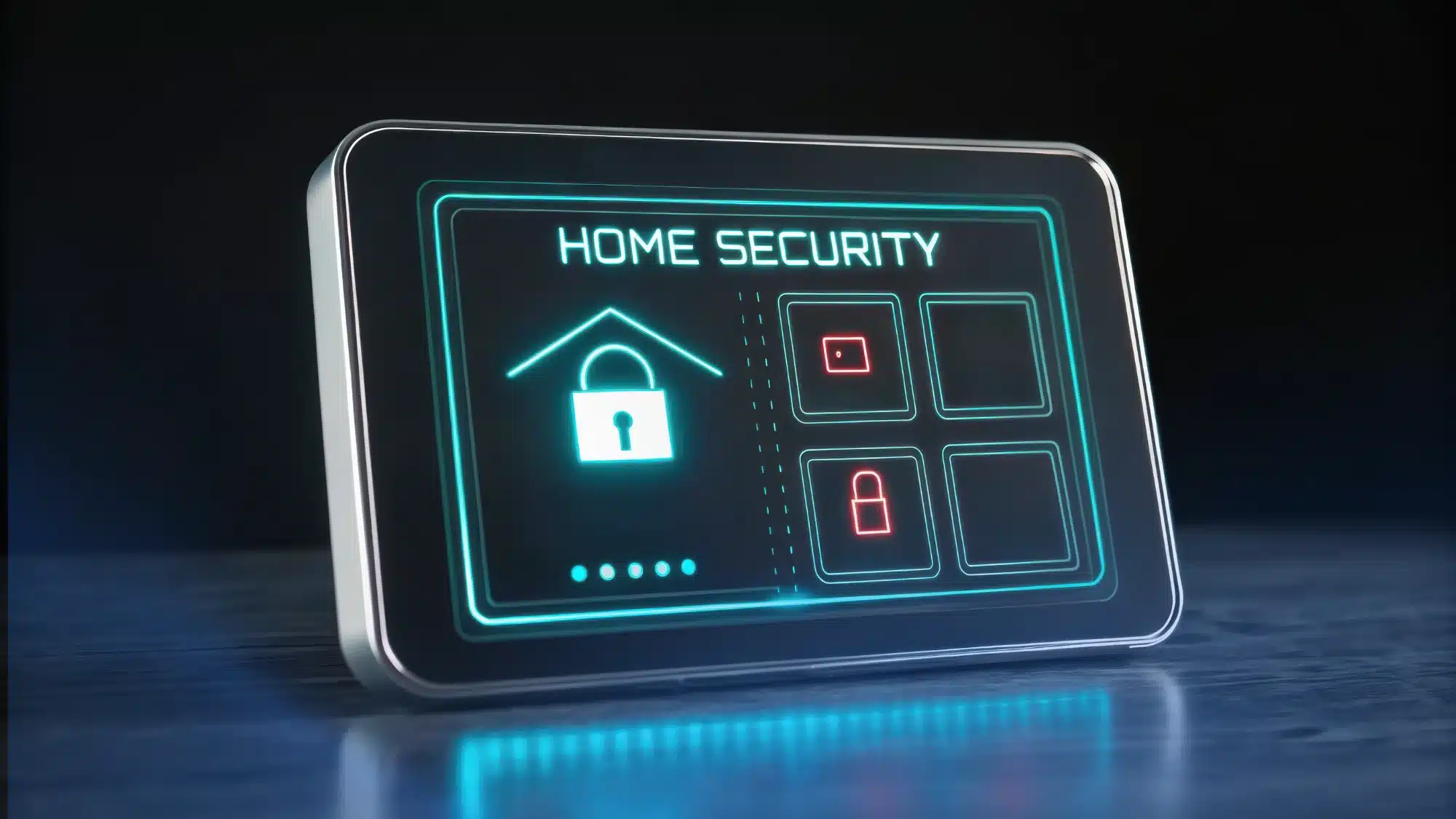
Access control is a foundational element of modern security. At its core, it governs who can enter a facility, which doors or areas they may access, when access is permitted, and how access is recorded and monitored. Effective access control aligns protection with operations, ensuring the right people can move freely where needed while preventing unauthorized entry. Implementing access control installation in Southington CT, is a practical step for businesses to secure personnel and assets, reduce risk, and improve overall safety. Lynx Systems specializes in these solutions, helping organizations design systems that fit their unique needs.
What is Access Control?
Access control combines policies, procedures, and technologies to manage entry to physical spaces and, in some cases, digital resources. Physical access control involves door hardware, credentials, readers, and software that authenticate individuals before granting entry. Logical access control governs computer networks and sensitive information. A robust system typically integrates both domains to create a cohesive security posture, offering audit trails, real-time alerts, and centralized management.
Protecting People
The primary purpose of access control is to safeguard people. By restricting entry to authorized individuals, workplaces reduce opportunities for theft, violence, or disruption. Modern systems support rapid response during emergencies by providing accurate occupancy data and clear pathways for safe egress. They also support visitor management, ensuring guests check in, are escorted when required, and leave a trace in case of incident investigations. For employers, this translates into a safer environment, improved compliance, and greater peace of mind.
Protecting Property
Access control helps protect physical assets, equipment, and facilities. By limiting who can approach sensitive areas—such as server rooms, inventory storage, or manufacturing floors—organizations reduce shrinkage and tampering risks. Integrated systems can trigger alarms or lock down zones automatically if a risk is detected, while ongoing monitoring generates audit trails showing when and by whom doors were opened. This capability is especially valuable for mid-sized offices, manufacturing sites, and healthcare facilities seeking scalable security that grows with their operations.
Protecting Critical Systems
Many facilities rely on critical systems that require tighter control, including data centers, critical infrastructure, and high-security laboratories. Access control supports segmentation, ensuring that only qualified personnel can access sensitive spaces and that access rights are regularly reviewed. When combined with video surveillance, intrusion detection, and identity verification, these systems create a layered defense that helps prevent unauthorized access, reduces the risk of insider threats, and supports incident investigations with precise logs.
Core Components of a Modern Access Control System
- Access control software: centralizes management, role-based permissions, and reporting.
- Credential types: ID badges, smart cards, mobile credentials, and, where appropriate, biometric verification.
- Readers and door hardware: electric strikes, electromagnetic locks, and smart readers installed at entry points.
- Controllers and network: devices at doors that communicate with the software and coordinate permissions.
- Monitoring and alarms: real-time alerts, door-open notifications, and integration with surveillance systems.
- Audit trails and compliance features: activity logs that support security reviews and regulatory requirements.
Local Implementation Considerations in Southington, CT
For organizations in Southington, CT, local codes, building standards, and fire safety requirements influence system design. A reputable provider will assess existing access points, integrate with current CCTV or alarm systems, and plan for future scalability (additional doors, new facilities, or expanded departments). Consider service levels, response times, and ongoing maintenance when choosing a partner. Access control installation in Southington, CT, should be approached with a clear plan for credential lifecycle management, software updates, and regular audits to ensure continued effectiveness.
Choosing a Partner
- Evaluate experience with your sector (healthcare, education, manufacturing, etc.) and familiarity with local codes.
- Prioritize scalable solutions that can grow with your organization and integrate with existing security technologies.
- Seek transparent pricing, clear SLAs, and meaningful post-installation support.
- Request a detailed proposal that covers design, implementation milestones, and training.
Next steps
Access control is about protecting people, property, and critical systems through thoughtful design, reliable technology, and ongoing management. If you’re exploring options for strengthening security, consider the value of a comprehensive approach that includes planning, installation, and support.
For more information on how to tailor an access control strategy to your site, or to discuss access control installation Southington, CT businesses count on, contact Lynx Systems. They can provide guidance on system design, credential management, and deployment that aligns with your budget and risk profile.
Is your company ready to move forward? Request a quote now and take the first step toward a safer, more secure facility.