April 29, 2026
In today’s security landscape, choosing the right camera system involves understanding how different options fit your space, budget, and monitoring needs. If you’re searching for “camera systems near me,” this guide outlines the main types, their strengths, and practical buying considerations for both business and home environments.
Types of Camera Systems You’ll Find Nearby
- Analog CCTV systems: Traditional coaxial setups that feed video to a Digital Video Recorder (DVR). They tend to be more affordable upfront and are straightforward to install. Their resolution is lower than modern IP systems, but for simple monitoring in smaller spaces, they remain a viable option.
- IP camera systems: Network-based cameras that transmit digital viaccessdeo over an Ethernet or wireless network to an NVR or cloud storage. They offer higher resolution, better scalability, and easier remote , making them popular for business premises and large homes.
- Wireless camera systems: Designed for easy installation without extensive cabling. They rely on Wi‑Fi or dedicated wireless protocols. While convenience is a major plus, potential interference and battery or power constraints should be considered for reliable monitoring.
- PTZ cameras: Pan-Tilt-Zoom cameras provide adjustable viewing angles and powerful zoom capabilities. They’re well-suited for larger areas such as storefronts, parking lots, and lobby spaces where you want to actively track activity.
- Hybrid and value-added options: Some providers offer hybrid systems that support both analog and IP cameras, along with analytics such as motion detection, people counting, and basic object recognition. These features can improve incident response and operational insight for both homes and small to mid-size businesses.
Key Features to Consider When Evaluating Camera Systems Near You
- Resolution and low-light performance: Higher resolution (e.g., 4K) provides clearer detail, while cameras with good low-light performance maintain visibility after dark.
- Storage options: On-premises storage (DVR/NVR) versus cloud storage. Consider bandwidth, retention needs, and data sovereignty when evaluating camera systems near you.
- Power and connectivity: Power over Ethernet (PoE) simplifies installation by delivering power and data over a single cable; wireless options reduce cabling but require reliable network coverage.
- Analytics and smart features: Motion detection, line crossing, people counting, and license plate recognition can streamline monitoring and incident response, especially for commercial sites.
- Cybersecurity: Regular firmware updates, encrypted transmission, and access controls help protect footage from unauthorized access.
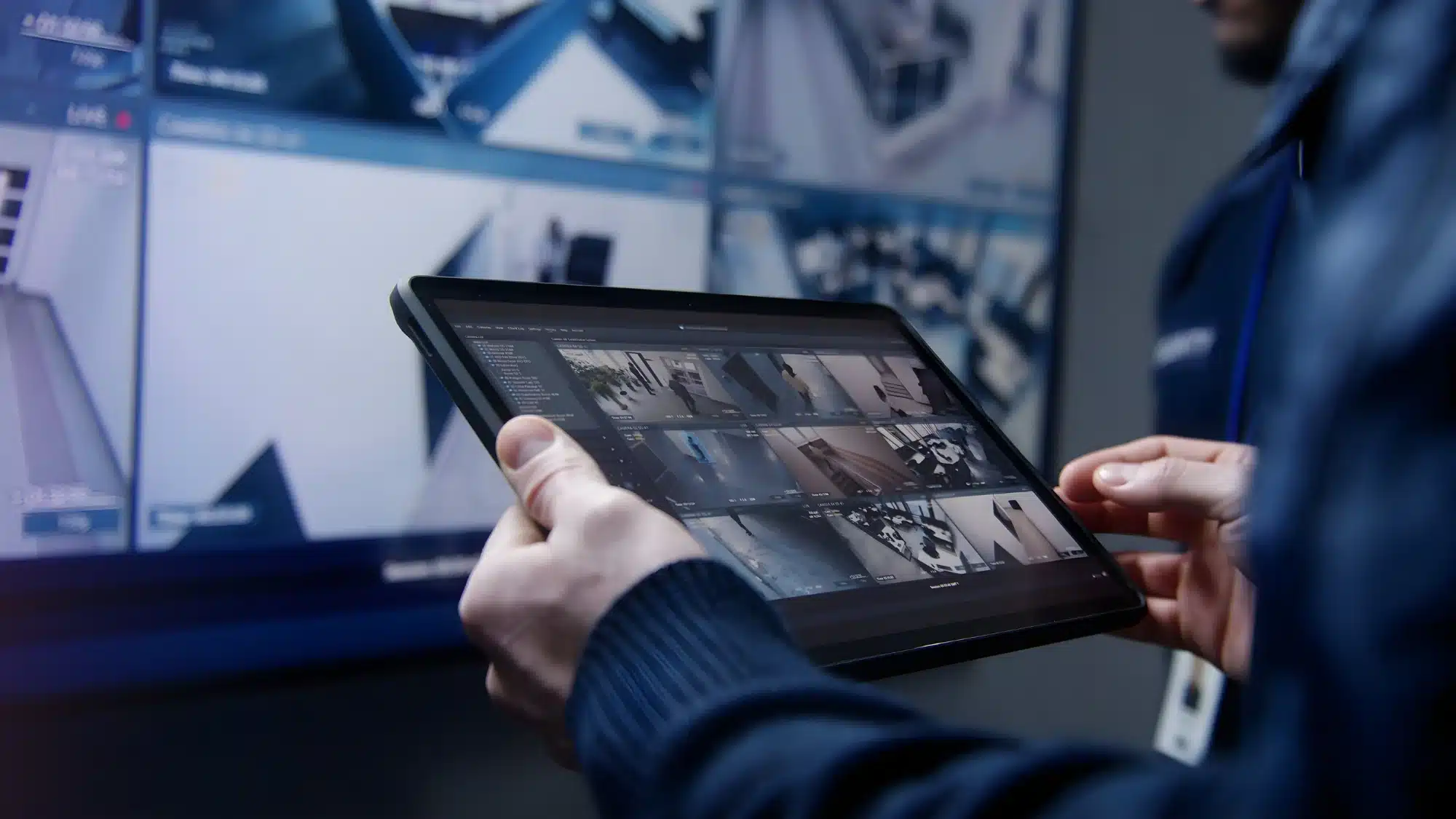
- Remote access and mobile apps: Secure, easy-to-use apps enable you to monitor feeds, receive alerts, and manage permissions from anywhere.
Practical Buying Considerations for Home and Business
- Define your coverage: Map entry points, perimeters, and high-value zones to determine the number of cameras and their placement.
- Differentiate needs: Homes typically prioritize simplicity and privacy, while businesses may require scalable systems, broader coverage, and robust analytics.
- Budget and total cost of ownership: Beyond the initial purchase, factor in storage, licenses, maintenance, and potential professional installation costs.
- Installation approach: DIY installations can save money, but may not meet optimal mounting, wiring, and network security standards. Professional installation can improve reliability and future service options.
- Compliance and privacy: Ensure camera placement complies with local laws and respects neighbor privacy in both residential and commercial settings.
Getting Started with a Local Provider
- Assess service quality: Look for providers with transparent recommendations, clear warranties, and demonstrated experience across residential and commercial projects.
- Request a site survey: A local assessment helps tailor camera types, placements, and storage plans to your climate, lighting, and network conditions.
- Ask about support: Clarify service levels, response times, and options for ongoing maintenance and firmware updates.
Next Steps
When you search for “camera systems near me,” you’ll find a range of options from reputable local providers. If you’re evaluating solutions in your area, consider how IP versus analog options, storage solutions, and analytics align with your security goals. A qualified local consultant can help map out precise camera placements, estimate installation needs, and compare brands and warranties.
If you are in the market for guidance, a local provider such as Lynx Systems can help you evaluate these factors and tailor a solution to your space. Start by identifying your priorities, then contact a nearby security professional to schedule a no-obligation consultation. By focusing on features, coverage, and total cost of ownership, you’ll be well-positioned to choose camera systems that deliver reliable protection and clear, actionable footage.