
January 30, 2026
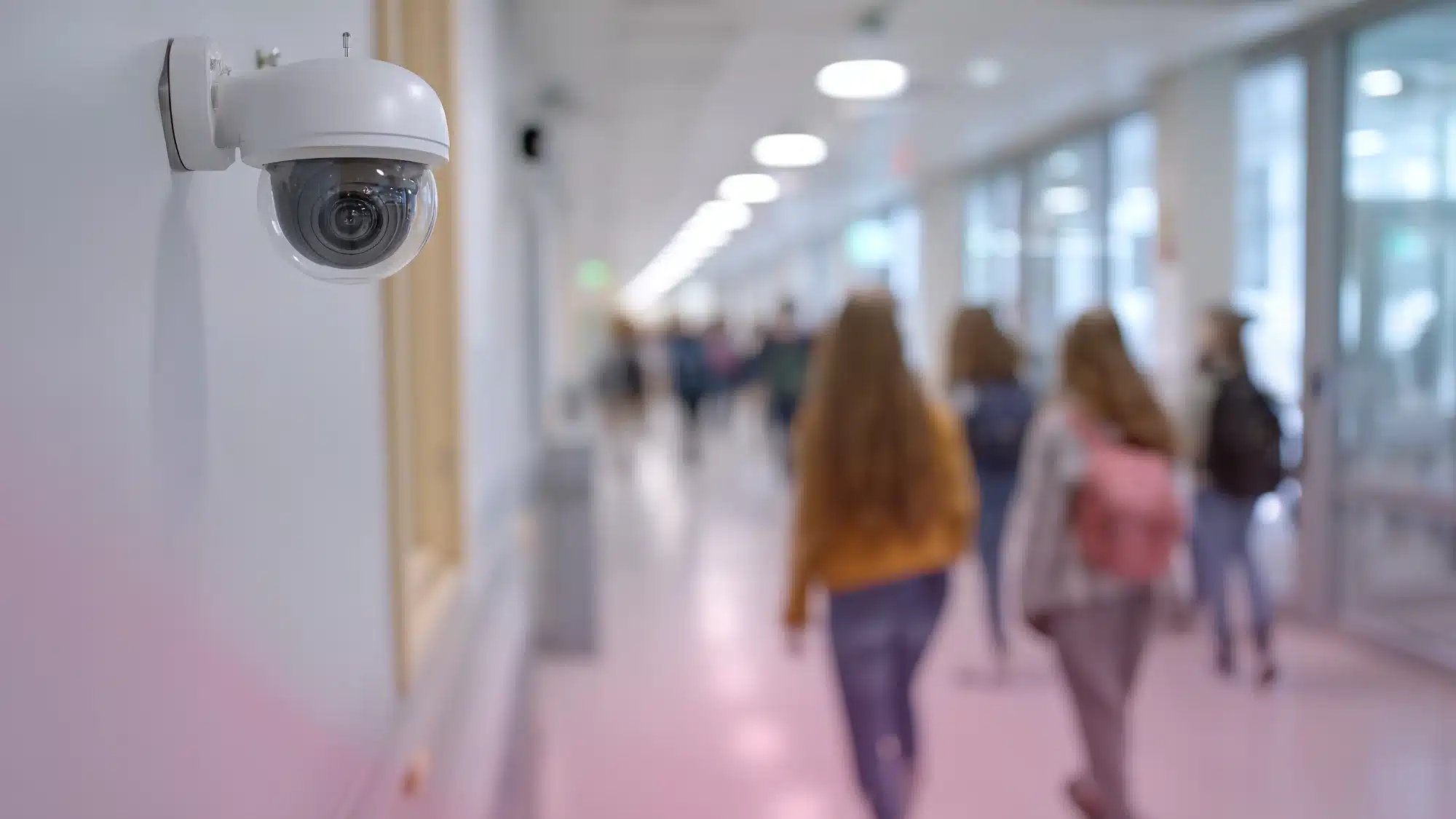
Modern schools rely on layered security that extends beyond cameras and staff presence. Access control systems manage who can enter specific spaces, when they can enter, and how incidents are detected and responded to—all while keeping classrooms and common areas accessible for students, faculty, and visitors. For districts planning upgrades, understanding the core elements helps ensure safety without disrupting daily operations.
Key Components of Contemporary School Access Control
- Credentialing and doors: Most systems use credential-based entry, including ID cards, mobile credentials, or fobs. Access is granted on a per-door basis, allowing schools to restrict entry to sensitive areas such as computer labs, science rooms, or administrative zones.
- Visitor management: A streamlined process screens visitors before granting access, typically integrating with guest sign-in kiosks or front-desk workflows to issue temporary credentials.
- Real-time monitoring and alerts: Door status sensors, tamper alerts, and event logs provide immediate visibility to administrators if a door is propped open, forced, or malfunctioning.
- Lockdown and emergency procedures: Modern systems support rapid lockdowns, secure enclosures, and automatic notifications to staff and local authorities when threats are detected.
- Data integration and reporting: Access logs can be integrated with student information systems (SIS) or incident management platforms to support attendance checks, drill documentation, and safety audits.
- Scalability and redundancy: Systems are designed to scale from a single campus building to a multi-campus district and to operate with backups during power or network outages.
How Access Control Enhances Safety, Security, and Daily Campus Operations
- Safer entry points: By verifying credentials at external doors, schools reduce unauthorized access while keeping main entrances welcoming and efficient during peak hours.
- Improved incident response: Centralized control and real-time alerts shorten the window between an incident and a response, enabling faster lockdowns or evacuation guidance.
- Attendance and space management: Automated entry data supports daily attendance, room utilization, and supervision during transitions between classes.
- Visitor accountability: Managed visitor screening and badge issuance to create an auditable trail for who accessed facilities and when.
- Operational efficiency: Automating access for staff, contractors, and substitutes reduces manual sign-in tasks, freeing administrators to focus on student safety and service delivery.
Regional Context: Southington-Focused Considerations
In Southington, schools often tailor access control programs to fit district-wide safety goals and the unique characteristics of campus campuses. Implementations emphasize ease of administration, reliable performance, and clear procedures for drills and emergencies. When designed with the local context in mind, access control for schools Southington helps balance secure spaces with the open environments needed for learning.
Buying Tips for Schools Evaluating Access Control Systems
- Start with goals and scale: Define safety priorities (entry points, classrooms, labs) and plan for future growth as the district expands.
- Prioritize user management: A centralized dashboard that makes it easy to add or revoke credentials, assign access windows, and run audit reports reduces risk and administrative burden.
- Consider mobile credentials: If supported, mobile access can improve user experience and reduce the need for physical cards, while maintaining strong security.
- Ensure integration readiness: Look for compatibility with existing SIS, HR systems, CCTV, and emergency alert platforms to streamline workflows.
- Check reliability and support: Choose vendors with proven field service, on-site support options, and robust backup/restore capabilities for door controllers and servers.
- Data privacy and cybersecurity: Verify encryption, secure key storage, and adherence to applicable data privacy standards to protect credential information.
Lynx Systems Approach
Lynx Systems specializes in advisory and implementation capabilities for schools seeking to enhance safety and efficiency through modern access control solutions. A collaborative, needs-driven process helps districts identify the right mix of hardware, credentials, and software integrations to fit their budget and security goals. For districts exploring options, a professional assessment can translate safety objectives into a practical, scalable plan.
If your school district is considering upgrades, partnering with a trusted provider can simplify planning, procurement, and ongoing administration. Contact Lynx Systems to discuss how a tailored access control strategy can support safety, security, and smoother daily operations on your campus.