December 23, 2025
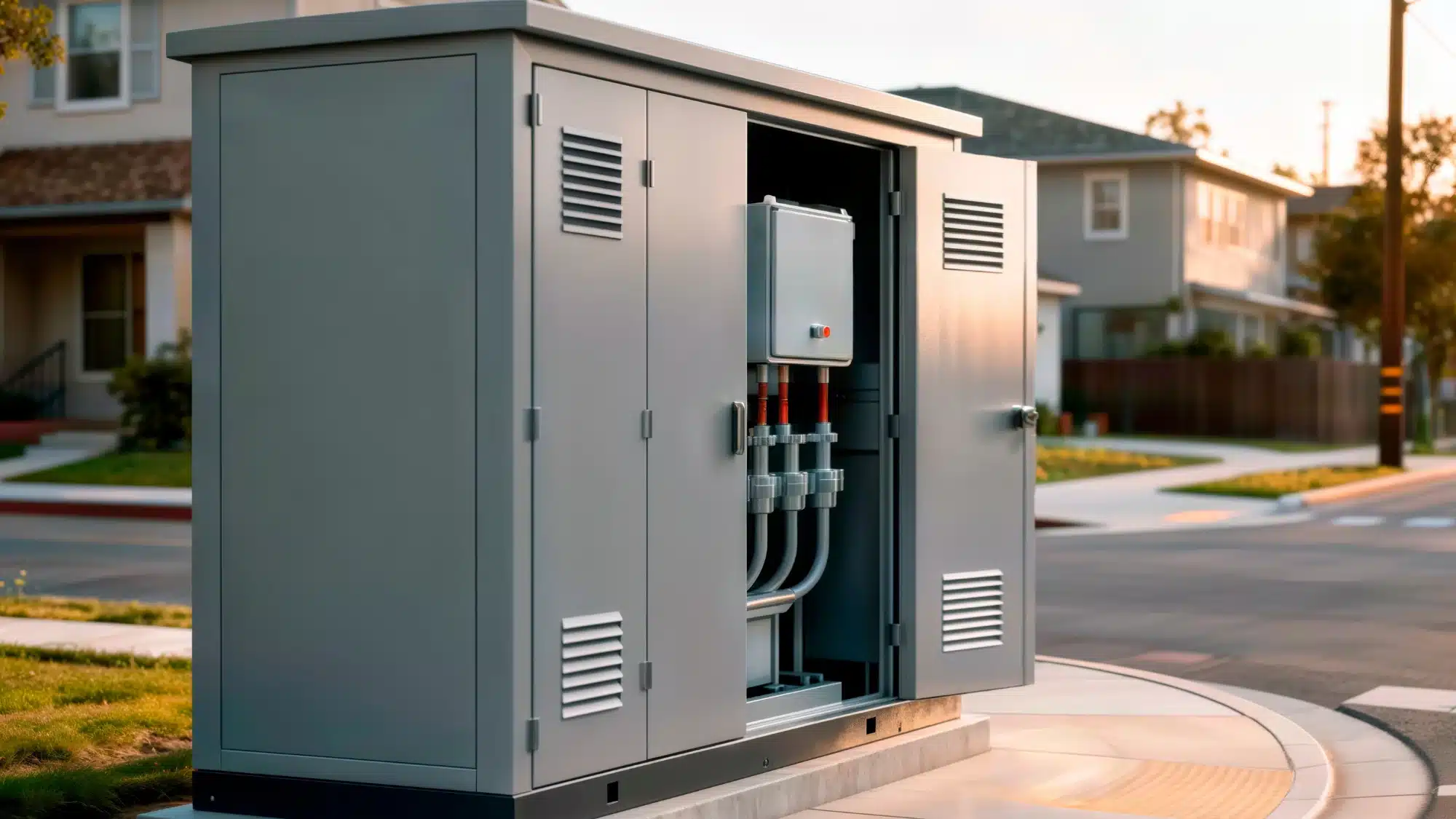
Power outages represent one of the most significant threats to business security infrastructure. When the main power source fails, security systems—including surveillance cameras, alarm systems, and access control devices—become vulnerable to a complete shutdown. For businesses in Connecticut and beyond, understanding UPS (Uninterruptible Power Supply) design and backup planning is essential to maintaining continuous protection of your assets, employees, and facilities.
Why Power Backup Matters for Business Security Systems
Power disruptions account for an estimated 30 percent of security system failures, making backup power solutions not just a convenience but a critical necessity. When your business security systems CT infrastructure loses power, the consequences extend far beyond temporary darkness. Your entire security operation—from CCTV surveillance to intruder alarms and access control systems—goes offline, leaving your property exposed to unauthorized access and theft.
Data Protection and System Integrity
Beyond operational downtime, power interruptions pose a serious threat to data integrity. Many security systems store critical information such as surveillance footage and access logs. Abrupt power loss can corrupt this data, resulting in permanent loss of evidence that may be crucial for investigations or insurance claims. A properly designed UPS system provides a buffer that allows your security infrastructure to either shut down gracefully or continue functioning until power is restored, safeguarding your valuable security data.
Compliance and Insurance Requirements
Depending on your industry and location, compliance standards may mandate backup power solutions for security systems. Insurance companies often require documented backup power provisions as a condition of coverage. By implementing a robust UPS system, your business’s security systems operations remain compliant with regulatory requirements while maintaining the integrity of your security infrastructure.
Understanding UPS Systems for Security Applications
A UPS system is specifically designed to provide clean, conditioned, uninterrupted power to your security equipment during electrical outages, voltage fluctuations, and other power disturbances. Unlike standard power strips, UPS systems offer multiple layers of protection that go beyond simple battery backup.
Key Components of a Security UPS System
A comprehensive UPS solution for business security systems CT includes:
- Battery bank: Stores electrical energy for use during power outages.
- Inverter: Converts stored DC power back to AC power for your security devices.
- Transfer switch: Automatically switches between main power and battery power.
- Surge protection: Shields equipment from electrical spikes and surges.
- Monitoring capabilities: Tracks system performance and alerts you to anomalies.
Continuous Power Supply and Equipment Protection
Security systems require continuous, stable power to function effectively. UPS systems ensure that surveillance cameras remain online 24/7, alarms stay armed and functional, and access control systems continue operating without interruption. Beyond maintaining operation, UPS systems provide consistently clean power by blocking surges and maintaining stable electricity levels, which extends the lifespan of your security equipment and minimizes costly repairs or replacements.
Types of Security System Power Backup Solutions
While UPS systems are the most common choice for business security systems in CT, several backup power options exist, each with distinct advantages:
- UPS
-
- Cost: Moderate upfront; low operating expenses
- Capacity: Scales with battery size; can be expanded
- Runtime: Typically 15 minutes to several hours
- Maintenance: Minimal
- Solar-Powered Backup
-
- Cost: High upfront; low operating expenses
- Capacity: Dependent on solar panel and battery size
- Runtime: Weather-dependent and variable
- Maintenance: Moderate
- Backup Generator
-
- Cost: Low upfront; high operating expenses
- Capacity: Based on generator size
- Runtime: Long-lasting as long as fuel is available
- Maintenance: High
- Built-in Battery Backup
-
- Cost: Low upfront; low operating expenses
- Capacity: Designed for short-term emergencies
- Runtime: Minutes to brief durations
- Maintenance: Low
UPS Systems: The Optimal Choice for Most Businesses
For most business security systems applications, UPS systems offer the best balance of reliability, cost-effectiveness, and ease of maintenance. They provide immediate power backup without startup delays, making them ideal for protecting against brief outages and providing time for backup generators to activate during extended power loss.
Designing a UPS System for Your Security Infrastructure
Proper UPS design begins with a thorough assessment of your specific security needs and power requirements.
Step 1: Calculate Your Power Consumption
The first critical step is determining the total power consumption of your entire security system. This includes:
- All surveillance cameras (IP-based and analog)
- Alarm system components and control panels
- Access control readers and electronic locks
- Network switches and servers
- Lighting systems integrated with security
Your security system requires high-quality electricity and online sine wave UPS technology to operate optimally. Underestimating power consumption is a common mistake that results in insufficient backup time during outages.
Step 2: Determine Required Runtime
How long does your security system need to operate on battery power? Consider:
- Average duration of power outages in your area
- Time needed for backup generators to activate
- Critical operational windows for your business
- Distance to nearest utility repair facilities
Most businesses benefit from UPS systems designed to provide 15 minutes to several hours of backup power, depending on their specific circumstances.
Step 3: Select Appropriate UPS Capacity
Once you’ve calculated power consumption and determined the required runtime, select a UPS with sufficient battery capacity and inverter rating. Many security professionals recommend building in redundancy—choosing a UPS system slightly larger than your minimum requirements to account for future expansion and to extend battery lifespan through reduced strain.
Step 4: Choose Installation Location
Select a location for your UPS that is:
- Easily accessible for maintenance and monitoring
- Protected from environmental extremes (excessive heat, moisture, or cold)
- Close enough to security equipment to minimize cable runs
- Secure from unauthorized tampering
Step 5: Integration with Backup Generators
For critical facilities where extended outages are common, integrate your UPS with a backup generator. The UPS provides immediate power while the generator starts up, ensuring a seamless transition and continued operation during prolonged blackouts. This layered approach provides maximum protection for your business security systems in CT.
Advanced UPS Features for Enhanced Security
Modern UPS systems offer capabilities that go beyond basic power backup.
Remote Monitoring and Management
Advanced UPS systems provide remote monitoring and management capabilities, allowing security personnel to monitor UPS status, receive alerts for power anomalies, and even remotely control power distribution to various security components. This feature is particularly valuable for businesses managing multiple locations or security operations centers.
Surge Protection and Power Conditioning
Security equipment is susceptible to damage from power surges and spikes caused by lightning strikes, utility grid issues, or equipment malfunctions. Quality UPS systems include surge protection features that safeguard connected devices from electrical disturbances, extending equipment lifespan and minimizing costly repairs.
Scalability and Redundancy
Professional UPS designs often incorporate redundancy—multiple UPS units working in parallel to provide backup for each other. This approach ensures that even if one UPS fails, your security system remains protected.
Selecting the Right UPS for Your Business
When evaluating UPS options for your business security systems in CT, consider these key factors:
Your Budget
Determine how much you’re willing to invest in initial installation and ongoing operation. While UPS systems have moderate upfront costs, they offer low operating expenses compared to generators, making them cost-effective long-term investments.
Your Backup Needs
Calculate the total power your security system consumes and determine how long backup power must last. This calculation directly determines the size and capacity of the UPS you require.
Your Site Conditions
Evaluate the physical space available for UPS installation and environmental factors that may affect performance, such as temperature fluctuations or humidity levels.
Your Operational Priorities
Consider what matters most to your business: environmental impact, reliability, convenience, or compliance requirements. Your priorities will influence which backup solution best serves your needs.
The Peace of Mind Factor
Ultimately, implementing a properly designed UPS system for your business security systems provides invaluable peace of mind. Knowing that critical security components remain operational during power disturbances instills confidence in the effectiveness of your security measures and protects your business from the vulnerabilities that power outages create.
Power outages are inevitable, but their impact on your security infrastructure doesn’t have to be. By understanding UPS design principles and implementing a backup power strategy tailored to your specific needs, you ensure that your business remains protected 24/7, regardless of what happens to the main power supply.
About Lynx Systems, LLC
Lynx Systems LLC specializes in designing and implementing comprehensive security solutions for businesses throughout Connecticut and beyond. Our expertise in business security systems CT includes UPS design, backup power planning, and complete security infrastructure assessment to ensure your facility maintains continuous protection.