
February 23, 2026
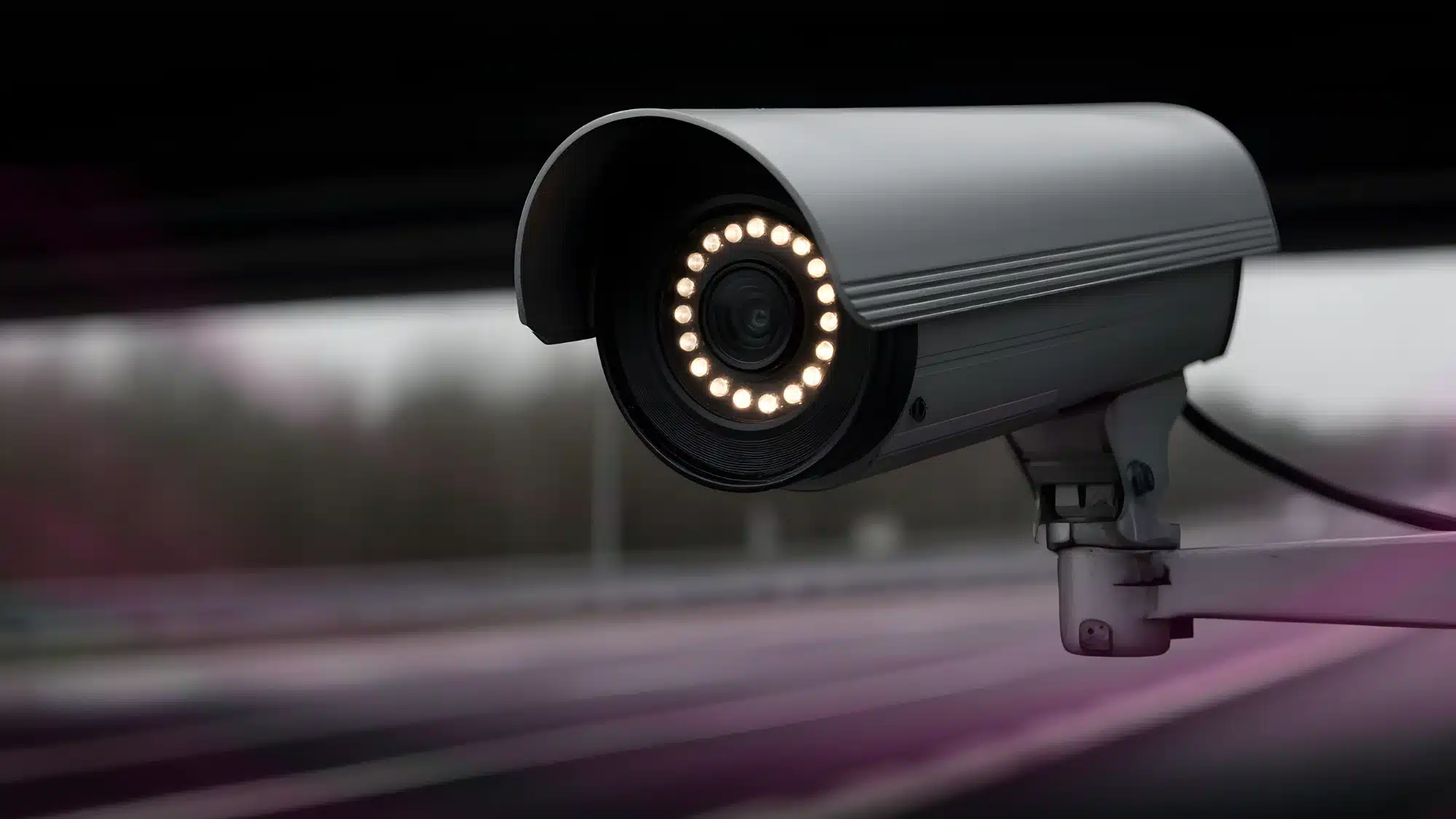
In low-light conditions, license plate recognition (LPR) technology must contend with glare, motion, and noise. For organizations deploying LPR systems in CT, selecting the right approach to night performance is essential to maintain reliability and accuracy. This article explains the key factors that influence night-time performance and practical steps to optimize results with license plate recognition cameras CT deployments.
Night-time imaging challenges and how they affect performance
- Low illumination and noise: Night scenes produce fewer photons, increasing sensor noise and reducing plate contrast. High-quality night-capable cameras use sensitive sensors and noise reduction to preserve legibility.
- Headlight glare and reflections: Oncoming headlights can create hotspots or halo effects that obscure plate characters. Cameras with wide dynamic range and effective backlight handling mitigate this issue.
- Motion and shutter speed: Vehicles move quickly, so shutter speeds must balance exposure with motion blur. Poorly chosen exposure can blur plate details, decreasing recognition rates, especially for distant or fast-moving plates.
- Weather and dirt: Rain, fog, or grime can degrade legibility. Established night performance takes environmental conditions into account and uses adaptive processing to maintain readability when possible.
Key performance indicators for night deployments
- Recognition rate under varied lighting: A high night recognition rate is the primary goal. This metric reflects the system’s ability to read plates as lighting conditions shift from streetlights to dark roadways.
- False accepts and false rejects: Minimizing incorrect identifications is critical for credible LPR outcomes. Proper calibration reduces the likelihood of misreading non-plate regions as plates or missing valid plates.
- Dynamic range and exposure control: Cameras with strong dynamic range can maintain plate contrast when adjacent areas are much brighter or darker, improving reliability in scenes with mixed lighting.
- Illumination strategy: Infrared (IR) illumination or white-light approaches each have pros and cons. IR can work well at night without visible lighting, but must avoid over-illumination and hot spots. White-light systems may provide improved texture but can be more conspicuous.
- LPR processing and calibration: Onboard or edge processing quality, plus periodic calibration, directly impacts night performance. Regular testing under real-world night conditions helps ensure consistent results.
Practical deployment tips for CT deployments and privacy considerations
- Plan camera placement strategically: Place cameras to capture plates head-on or at angles that minimize glare, with a clear line of sight to the plate. Higher placement can widen the field of view but may reduce legibility if the plate distance becomes too great.
- Choose the right lens and focal length: A lens with the appropriate focal length helps keep plates in sharp focus at expected vehicle speeds and distances, improving recognition during nighttime hours.
- Leverage night-optimized features: Look for cameras with robust low-light performance, good infrared illumination design, and high dynamic range. These features are essential for license plate recognition cameras CT deployments that operate after dark.
- Maintain clean optics and calibrations: Regular cleaning and recalibration ensure optimal image quality. Dirty lenses or misalignment can dramatically reduce night-readability.
- Consider privacy and regulatory implications: In CT, operators should align with applicable privacy best practices and local ordinances for ALPR data handling, retention, and signage. Documenting data governance helps support the responsible use of license plate information.
- Test and validate: Conduct field tests across typical CT night scenarios, including various weather conditions and traffic patterns. Use these results to refine positioning, exposure settings, and processing configurations.
Why Lynx Systems can help
Lynx Systems guides planning, configuring, and validating night-time LPR deployments. Our approach emphasizes measurable performance, environmental realities, and regulatory awareness to help you achieve reliable license plate recognition cameras CT, outcomes. We work with you to select appropriate sensors, illumination, and processing strategies, then conduct night-time testing to establish acceptance criteria before full deployment.
Next steps
If you’re evaluating night performance for license plate recognition cameras CT, contact Lynx Systems to discuss a tailored assessment. We can help you design a night-readiness plan, run field tests, and provide a clear path to reliable, repeatable results. Reach out today to schedule a consultation and request a quote.