
Alarm Monitoring Built Without a Single Point of Failure
When an emergency occurs, the infrastructure behind your security system needs to be ready.

Lynx Systems provides customers with access to professional redundant alarm monitoring infrastructure designed to maintain dependable monitoring operations through power outages, telecommunications disruptions, equipment failures, severe weather, and other unexpected events.
Multiple layers of backup help protect critical monitoring operations, from facilities and electrical power to telecommunications, networks, and cybersecurity systems. The result is a monitoring environment engineered around one essential objective: keeping alarm monitoring available when customers need it most.
What Is Redundant Alarm Monitoring?
Redundancy means critical monitoring functions are supported by backup systems rather than depending on a single facility, power source, telecommunications provider, network, or piece of equipment.
In a conventional system with a single point of failure, one significant disruption could affect monitoring operations. Alarm monitoring redundancy is designed to reduce that risk by providing alternative resources that can continue supporting operations when another component becomes unavailable.
A comprehensive redundancy strategy can include:
These safeguards work together to strengthen 24/7 monitoring reliability.
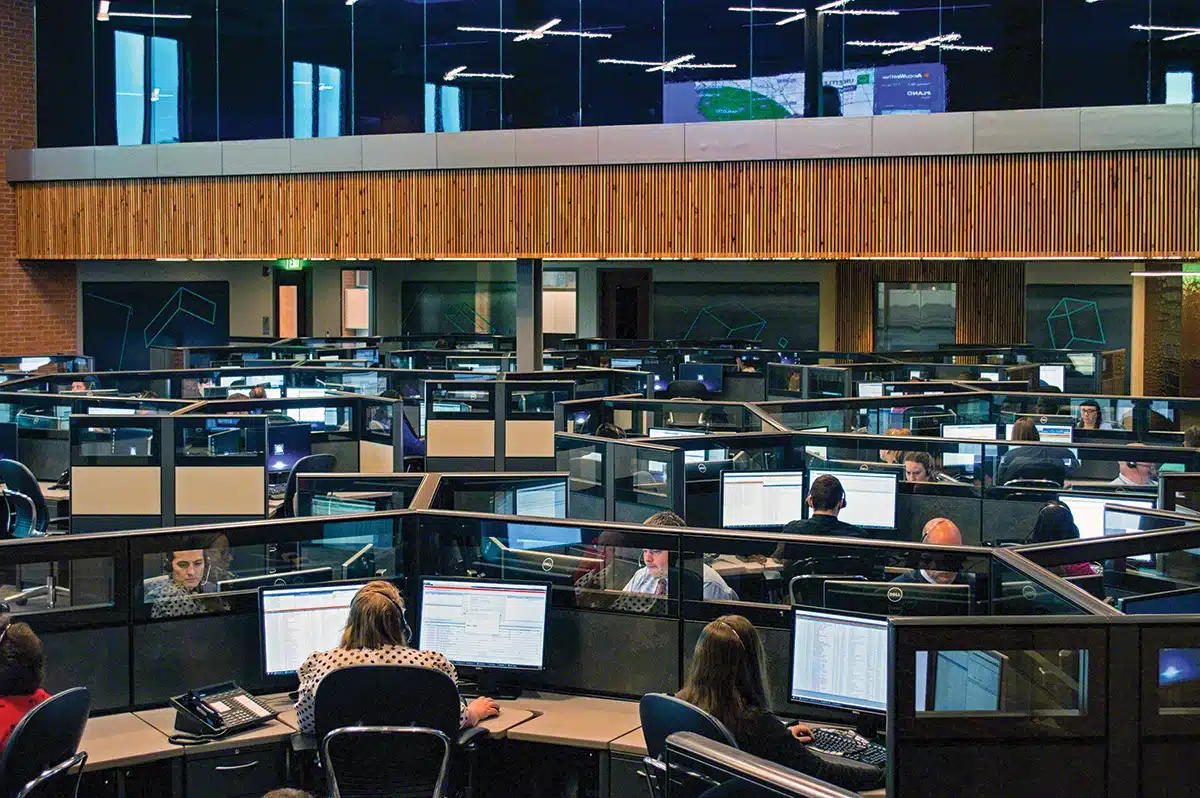
Multiple Monitoring Facilities Provide Critical Backup

A monitoring facility is responsible for receiving and processing alarm signals, making its continued operation critical to the monitoring process.
The professional monitoring infrastructure supporting Lynx Systems customers incorporates multiple monitoring facilities designed to operate together. This provides facility-level redundancy if circumstances interfere with operations at one location.
Rather than treating a secondary facility simply as an emergency fallback with limited capabilities, the infrastructure is designed around full-load monitoring capabilities.
This helps create continuity during unexpected events while reducing dependence on any individual monitoring center.
For customers, that means their security monitoring is supported by infrastructure built with backup capacity at one of its most important levels.
Learn more about Lynx Systems 24-hour alarm monitoring and how professional monitoring supports homes and businesses around the clock.
Backup Power Helps Monitoring Continue During Outages
Commercial electrical service can be interrupted by storms, grid failures, accidents, equipment problems, and other events. Professional monitoring facilities must therefore be prepared to operate independently when utility power becomes unavailable.
The monitoring infrastructure supporting Lynx Systems customers incorporates multiple layers of backup power protection.
These safeguards include quadruple backup generators, providing substantial emergency generation capability if primary utility power is interrupted.
Backup generators are complemented by uninterruptible power supply (UPS) systems. UPS technology provides immediate electrical support during the transition from utility power to emergency generation, helping critical monitoring equipment remain operational without depending on a delayed restart.
Together, these systems create multiple layers of electrical resilience.
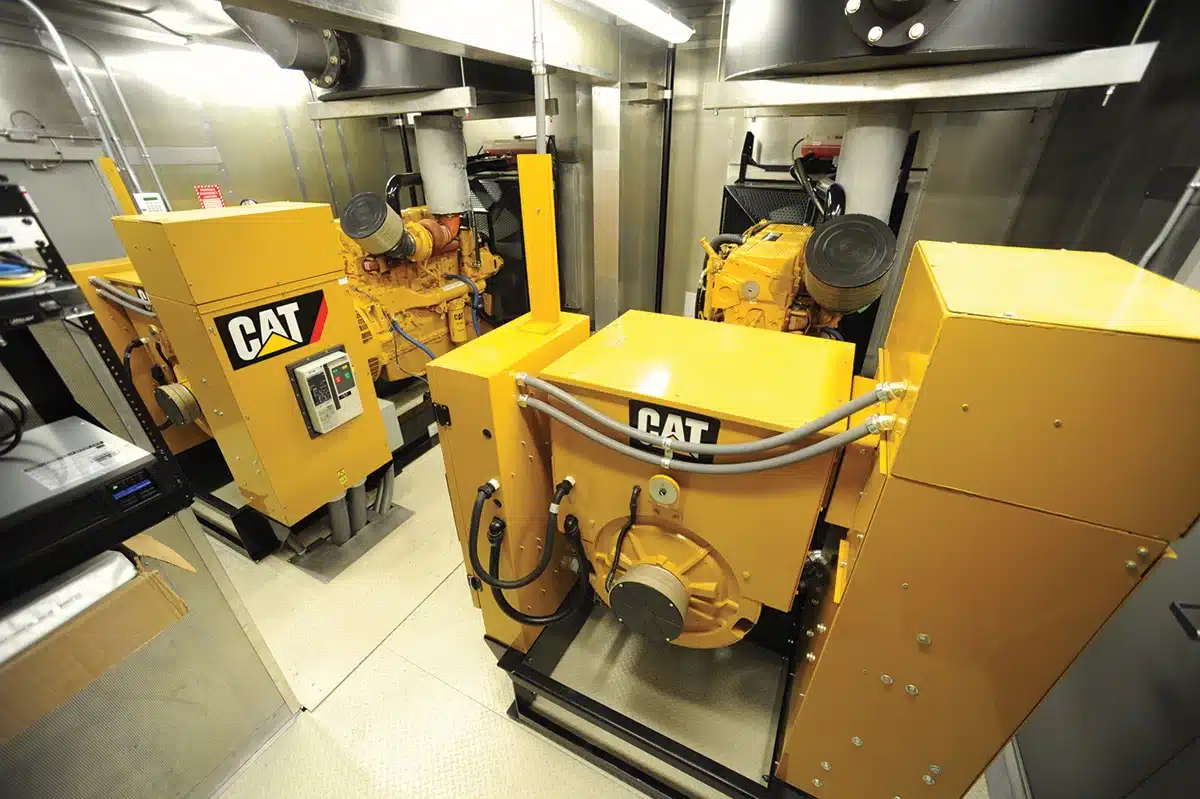
Dual-Bus Power Adds Another Layer of Electrical Protection

Reliable electricity involves more than having generators available.
Critical monitoring infrastructure is also protected through dual-bus power architecture, providing redundant electrical distribution paths for essential systems.
This design reduces dependence on a single electrical pathway. If one side of the electrical infrastructure experiences a problem, an alternate path helps support continued operation.
Combined with utility power, UPS systems, and multiple generators, dual-bus architecture creates a layered power strategy rather than relying on one backup solution.
That distinction matters because genuine backup alarm monitoring requires redundancy throughout the supporting infrastructure, not simply a generator outside the building.
Telecommunications Redundancy Keeps Alarm Signals Connected
Alarm monitoring depends on communication.
If a monitoring facility has power but cannot reliably communicate with outside networks, its ability to receive alarm signals and coordinate response can be affected.
For this reason, telecommunications redundancy is a critical component of professional security monitoring infrastructure.
The monitoring environment supporting Lynx Systems customers incorporates connections from four local network providers. Multiple providers help reduce dependence on a single telecommunications company or connection.
If an individual carrier experiences an interruption, alternative communication resources are available to support monitoring operations.
This diversified approach provides another layer of protection between your security system and the professional monitoring process.
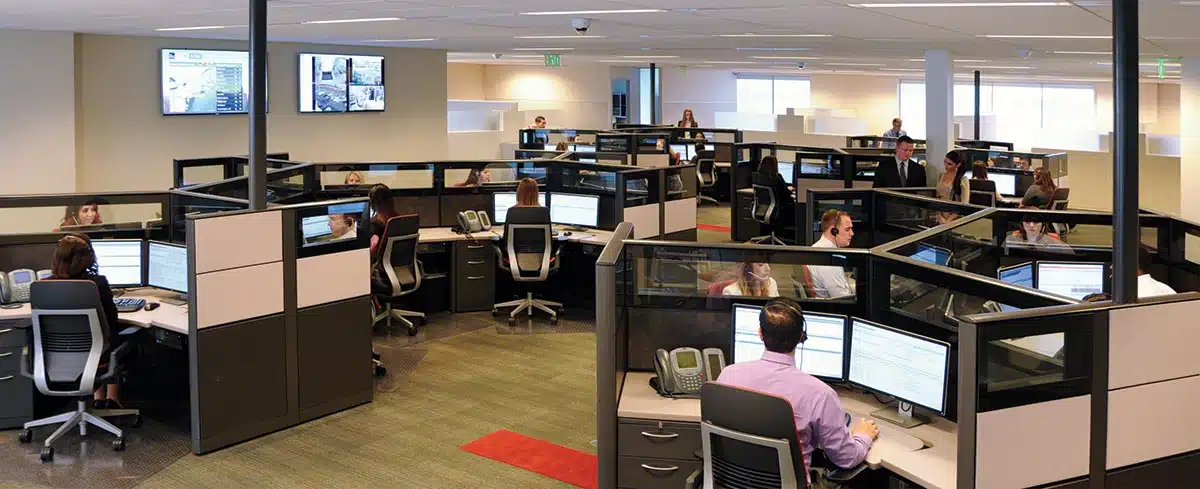
Three Redundant MPLS Networks Support Data Continuity

Modern alarm monitoring relies heavily on secure, dependable data communications.
The professional monitoring infrastructure includes three redundant MPLS networks, helping provide multiple pathways for transmitting critical information between monitoring resources.
MPLS network technology is commonly used in business-critical environments where reliable and controlled data transmission is important.
Using multiple redundant networks further reduces dependence on any individual data pathway.
When combined with multiple telecommunications providers and redundant monitoring facilities, these networks contribute to a broader communications strategy engineered for continuous operation.
High-Availability Firewalls Protect Network Operations
Reliability and cybersecurity increasingly go hand in hand.
Monitoring infrastructure must remain available while also protecting critical networks and information from unauthorized access and cyber threats.
The professional monitoring environment supporting Lynx Systems customers uses high-availability firewalls as part of its network architecture.
High-availability configurations are designed so that security does not depend entirely on a single firewall device. Redundant technology can help maintain network protection and connectivity if an individual component becomes unavailable.
This provides another example of how redundancy extends beyond obvious backup systems such as generators.
Facilities, power, communications, networking, and cybersecurity all contribute to dependable monitoring operations.

How the Layers of Monitoring Redundancy Work Together

No individual backup system provides complete protection from every possible disruption.
Reliability comes from combining multiple safeguards.
A simplified view of the monitoring infrastructure looks like this:
Each layer helps reduce dependence on the one before it.
This layered approach creates a stronger overall monitoring environment than relying on any single facility, network, telecommunications carrier, or backup power source.
Redundancy Supports Disaster Continuity
The same events that create security and life-safety emergencies can also disrupt the infrastructure businesses normally depend on.
Severe storms can cause power outages. Natural disasters can affect telecommunications. Hardware can fail unexpectedly. Network providers can experience service interruptions.
A redundant monitoring center environment is designed with these possibilities in mind.
By distributing critical capabilities across facilities, electrical systems, communications providers, networks, and equipment, professional monitoring operations have alternative resources available when disruptions occur.
This disaster-continuity approach is particularly important because monitoring demand may increase during the same major events that place pressure on local infrastructure.
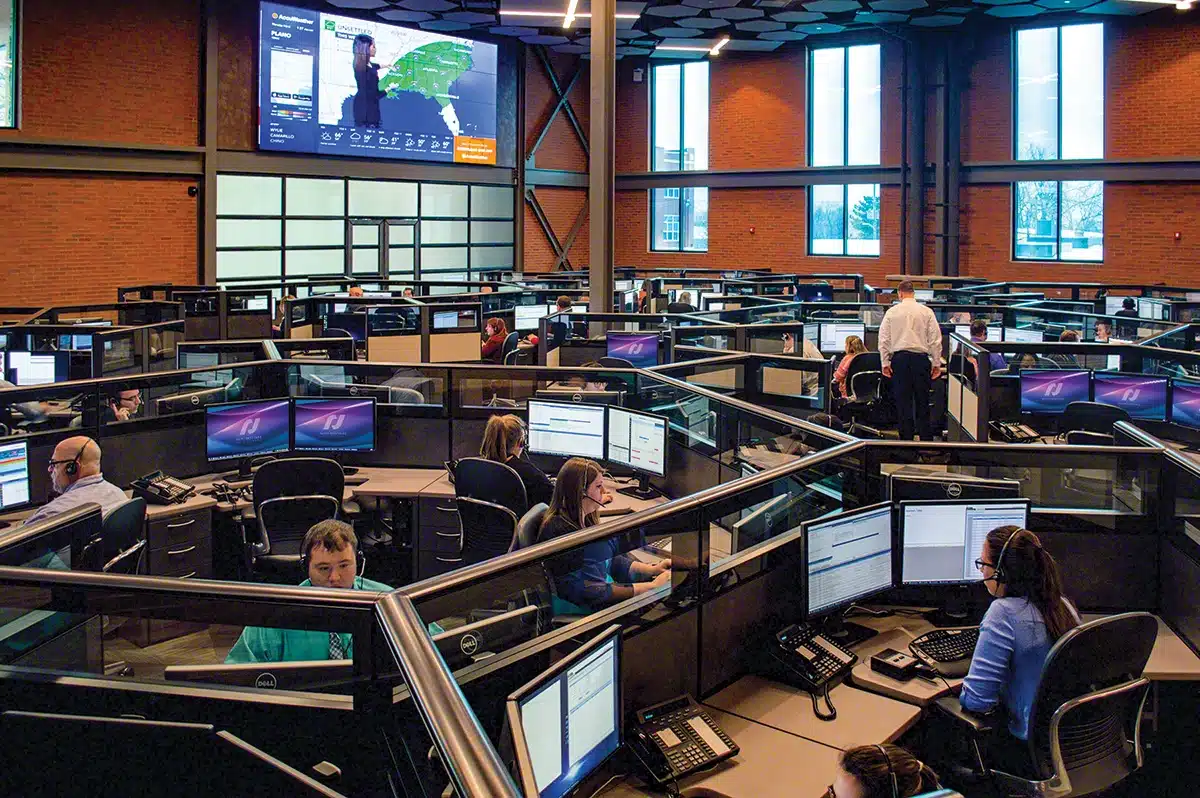
Why Monitoring Redundancy Matters for Homeowners

Homeowners rarely see the infrastructure operating behind a professionally monitored security system.
But when a burglary alarm, fire alarm, or another supported security event occurs, that infrastructure becomes an essential part of the response process.
Professional redundant alarm monitoring provides homeowners with added confidence that their monitoring service is supported by multiple layers of operational protection.
Whether you are home, asleep, at work, or traveling, your monitored security system depends on reliable communications and monitoring resources to process supported alarm events.
Explore Lynx Systems’ home alarm monitoring solutions to learn how professional monitoring can become part of your residential security strategy.
Why Monitoring Redundancy Matters for Businesses
For a business, monitoring reliability can also be an important part of operational continuity.
Commercial properties may rely on monitored intrusion detection, fire systems, panic devices, and other compatible security technologies, often during nights, weekends, holidays, and periods when few or no employees are present.
Infrastructure interruptions should not unnecessarily create another vulnerability.
Redundant facilities, backup power, multiple telecommunications providers, redundant networks, and high-availability technology help strengthen the professional monitoring environment supporting these systems.
For organizations evaluating security providers, understanding the infrastructure behind the service can be just as important as evaluating the equipment installed at the property.
Learn more about commercial alarm monitoring for Connecticut businesses.

Professional People Complete the Monitoring Infrastructure

Technology creates resilience, but monitoring is ultimately more than servers, networks, generators, and telecommunications systems.
Alarm events require people who know how to evaluate information and follow established response procedures.
The professional infrastructure supporting Lynx Systems customers combines redundant technology with trained monitoring specialists working inside dedicated monitoring facilities.
Specialists receive extensive preparation and operate within a professional environment designed specifically for alarm monitoring.
This human component ensures the monitoring strategy addresses both sides of reliability: the systems required to receive an alarm and the people responsible for handling it.
Learn more about the professional monitoring specialists behind monitored alarm response.
Faster Customer Communication With rapidSMS
Reliable infrastructure helps ensure an alarm reaches the monitoring environment. Effective communication helps customers respond once an event occurs.
Compatible systems may also support rapidSMS alarm notifications, providing text-based communication during supported alarm events without requiring a separate mobile app.
Depending on the alarm and system configuration, authorized users may be able to receive notifications, communicate with other contacts, cancel qualifying false alarms, or request dispatch.
Together, redundant infrastructure and efficient customer communication create a more complete monitoring experience.
Explore rapidSMS alarm notifications to learn how text-based alarm communication works.
Frequently Asked Questions About Alarm Monitoring Redundancy
Build Reliability Into Your Security Strategy
A professionally monitored security system should be supported by infrastructure designed for more than normal operating conditions.
The monitoring infrastructure supporting Lynx Systems customers incorporates multiple facilities, quadruple generators, UPS protection, dual-bus electrical architecture, four local network providers, three redundant MPLS networks, and high-availability firewall technology to strengthen 24/7 monitoring reliability.
These systems work together to reduce single points of failure and support dependable monitoring through changing conditions.
Contact Lynx Systems to learn how professional alarm monitoring and redundant infrastructure can strengthen the security strategy for your Connecticut home or business.