October 25, 2026
As October brings shorter daylight hours to Southington, CT, businesses may be reviewing their security equipment and determining whether cameras, alarms, access control, and other technologies are meeting their current needs.
For businesses searching for “business security systems near me“, Lynx Systems LLC provides commercial security solutions that can be configured according to a property’s layout, existing infrastructure, and security requirements. Understanding how compatible security technologies can work together can help businesses plan a more coordinated system.
Cameras and Surveillance Systems
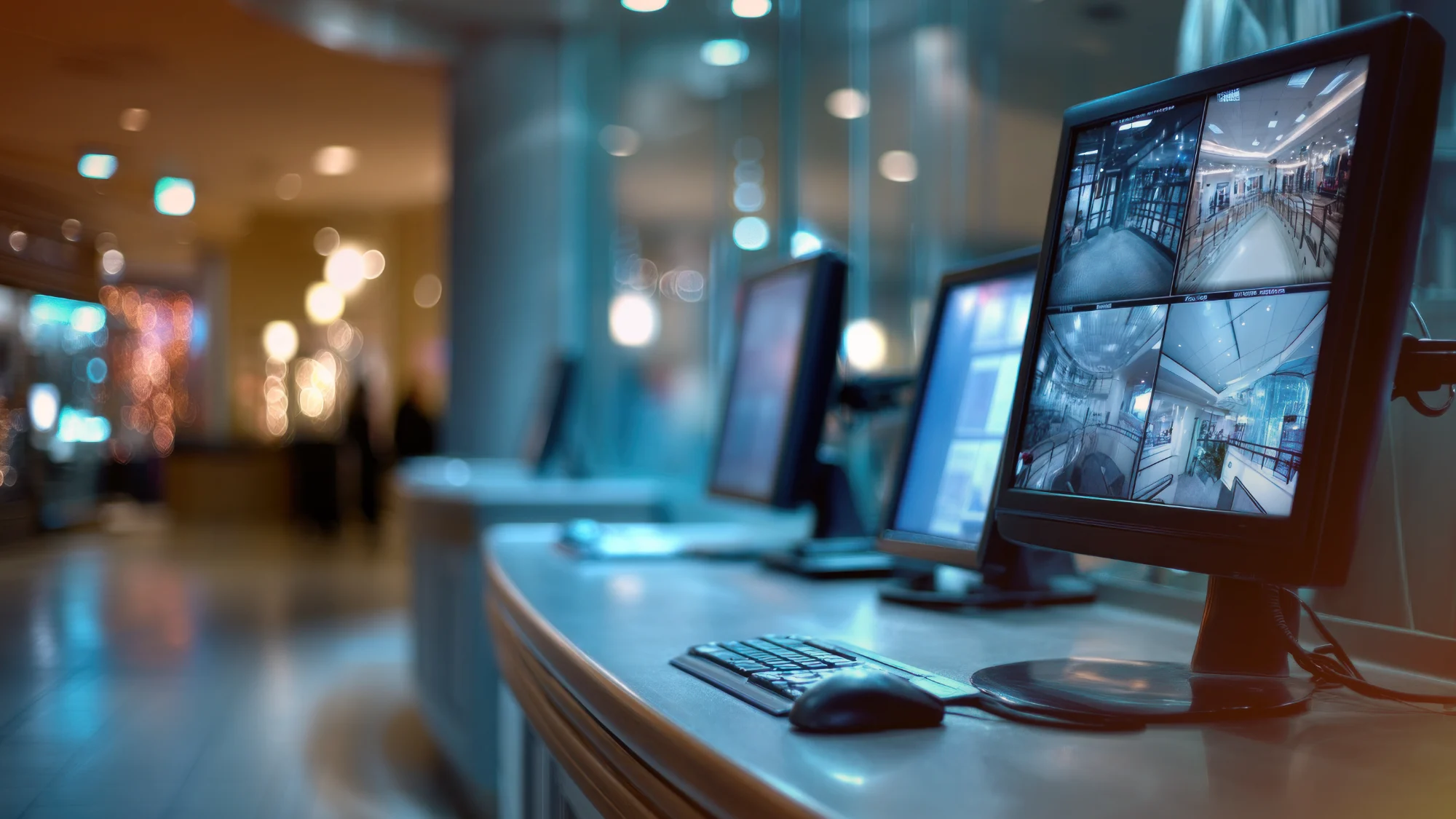
Video surveillance can provide businesses with visibility into selected areas of their property.
Depending on the equipment and configuration, commercial cameras may offer features such as:
- High-resolution video
- Night or low-light viewing capabilities
- Motion-based recording or detection
- Wide-angle coverage
- Remote viewing
- Recorded video storage
- Event notifications
Some camera systems can be managed through a centralized platform, allowing authorized users to view compatible cameras or recorded footage according to the system’s capabilities.
Remote access, recording, storage, and other features depend on the cameras, software, network connectivity, configuration, and services involved.
Alert Systems and Notifications
Alarm and detection systems can provide another component of a commercial security setup.
Depending on the equipment and configuration, compatible systems may generate notifications when designated events occur. Alerts might be delivered through supported applications, email, text messages, monitoring services, or other available methods.
For businesses that operate outside standard hours or manage multiple locations, notification capabilities can provide useful information about certain system events.
Notification speed and availability can depend on network connectivity, cellular service, monitoring arrangements, equipment, and system configuration. An alert system should not be assumed to guarantee an immediate response to every event.
Access Control Systems
Access control systems help businesses manage who is authorized to enter designated doors or restricted areas.
Depending on the system, credentials may include:
- Keycards
- Key fobs
- Mobile credentials
- Keypad codes
- Certain biometric technologies
Compatible access control systems may also record credential activity, allowing authorized administrators to review certain entry events and manage user permissions.
When access control is integrated with other compatible security technologies, businesses may be able to coordinate information from different systems. Integration capabilities vary by manufacturer, platform, hardware, software, and configuration.
Integration With Smart Technologies
Some commercial security platforms support integrations with automation, analytics, network-connected devices, or other compatible technologies.
Depending on the system, these capabilities may include:
- Video analytics
- Remote system management
- Event-based notifications
- Scheduled access permissions
- Coordinated camera and access-control events
- Integration with compatible security devices
- Automated actions based on configured system events
Not every security system supports artificial intelligence, IoT devices, automated door controls, lighting, or other smart-building technologies.
Businesses researching “business security systems near me” should ask which integrations are actually supported by the equipment being considered rather than assuming all modern security products can communicate with one another.
Steps to Integrate New Security Systems
1. Audit Current Systems:
Review existing cameras, alarms, access control equipment, networks, wiring, and other security infrastructure. Identify equipment that may need to remain in place and determine where improvements are needed.
2. Consult With Security Professionals:
Discuss your current infrastructure and desired capabilities with a security provider such as Lynx Systems LLC in Southington, CT.
3. Evaluate Compatibility:
Confirm whether existing and proposed equipment can communicate or operate together. Compatibility may depend on manufacturers, models, software versions, network architecture, and communication protocols.
4. Customize the System:
Select cameras, alarms, access control, notifications, and other compatible features according to the property’s requirements.
5. Install and Test the Equipment:
After installation and configuration, applicable system functions should be tested according to manufacturer and project requirements.
Choosing the Right Provider
When comparing commercial security providers, consider more than the equipment being offered.
Useful questions include:
- What commercial security systems do you install?
- Can you evaluate my existing equipment?
- Which systems can be integrated?
- What camera and access control technologies are available?
- What support is available after installation?
- What warranty terms apply?
- Can the system accommodate additional equipment later?
- Are there ongoing software, licensing, monitoring, or service costs?
Lynx Systems LLC provides security solutions for businesses in Connecticut. A property-specific evaluation can help determine which equipment and integrations may be appropriate for a particular facility.
FAQs on Business Security Systems
What are the benefits of integrated security systems?
Compatible integrated systems may make it easier to manage information from cameras, alarms, access control, and other security technologies.
Actual capabilities depend on the products and configuration involved, and integration does not guarantee that security incidents will be prevented.
Can I integrate my existing cameras with new alert systems?
Possibly.
Some existing cameras can work with newer software, recording equipment, analytics, or notification systems, while others may not be compatible. The manufacturer, camera model, communication protocol, network configuration, and proposed equipment should be evaluated before integration is planned.
How frequently should I update my security systems?
There is no universal requirement to replace or upgrade business security equipment every two or three years.
Consider reviewing your system when equipment becomes unreliable or unsupported, business operations change, additional areas need coverage, cybersecurity requirements evolve, or existing equipment no longer provides the capabilities you need.
Software and firmware should be managed according to applicable manufacturer recommendations.
Is professional installation necessary for system integration?
Installation requirements depend on the equipment and project.
Some products may have simpler installation requirements, while integrated commercial systems can involve wiring, networks, electronic locking hardware, software configuration, and compatibility considerations.
Professional installation may be appropriate when specialized configuration, integration, or commercial security equipment is involved.
Can cameras, alarms, and access control all work together?
Certain products can be integrated, but compatibility is not universal.
Before purchasing equipment, confirm which cameras, alarm components, access control platforms, software, and other technologies are designed to work together.
Explore Business Security Options with Lynx Systems LLC
An integrated commercial security system can combine compatible technologies to provide businesses with tools for surveillance, detection, notifications, and access management.
If you’re searching for “business security systems near me” in Southington, CT, contact Lynx Systems LLC to discuss your existing security infrastructure and explore camera, alarm, access control, and integration options suited to your property’s requirements.