October 12, 2026
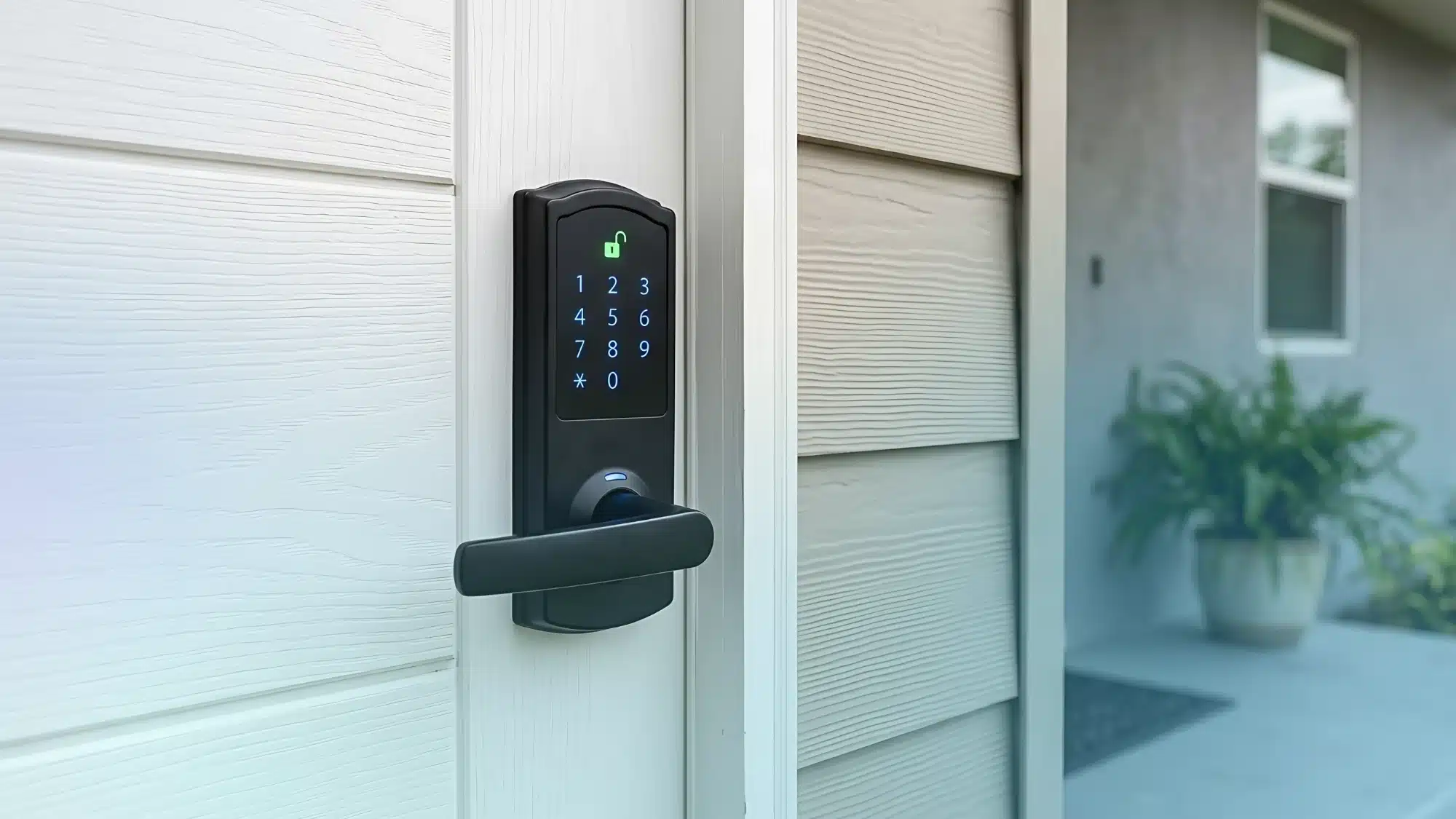
As the days become shorter, businesses and facility managers may be reviewing how access to their buildings and restricted areas is managed. Modern access control can provide alternatives to traditional keys while giving organizations greater flexibility in determining who can enter specific areas.
For organizations searching for “access control systems near me” in Southington, CT, Lynx Systems LLC provides access control solutions that can be configured according to a facility’s security and operational requirements. Whether you’re managing a commercial building, office, or another facility, understanding the available options can help you select an appropriate system.
Understanding Access Control Systems
Access control systems are designed to manage who is authorized to enter controlled areas and, depending on the system, when that access is permitted.
Instead of relying exclusively on traditional locks and physical keys, electronic access control may use different credentials and technologies.
Depending on the equipment and configuration, options can include:
- Biometric Systems: Certain systems may use fingerprints, facial recognition, or other biometric credentials to verify authorized users.
- Keycard or Fob Access: Users can present an assigned card or fob to a compatible reader at a controlled entry point.
- Mobile Credentials: Compatible systems may allow authorized users to use a smartphone or mobile application as an access credential.
- Keypads: Users may enter an assigned code or PIN to request access.
- Combined Credentials: Some applications may use more than one authentication method when additional access controls are desired.
Available credential types and capabilities vary by manufacturer, equipment, configuration, and facility requirements.
How to Choose the Right System for Your Facility
Determining an appropriate access control system involves evaluating how your facility operates and which areas require controlled entry.
Consider the following factors:
- Assess Your Security Needs: Identify entrances, restricted areas, and other locations where access needs to be managed. Determine which employees, visitors, contractors, or other users require authorization.
- Evaluate the Facility Size: Consider how many doors or access points need to be controlled. A larger facility or one with multiple buildings may require a different configuration than a smaller office.
- Consider Credential Options: Determine whether cards, fobs, mobile credentials, keypads, biometrics, or another supported method is appropriate for your organization.
- Set a Budget: Costs can vary depending on the number of access points, hardware, software, credentials, installation requirements, and integration needs.
- Consider Future Expansion: If your organization may add employees, doors, or locations, ask whether the system can accommodate those changes and what additional equipment or licensing may be required.
- Review Integration Requirements: If you already use compatible security, video, alarm, or other building systems, ask what integration options are supported.
When comparing “access control systems near me”, a professional assessment can help determine which configuration is appropriate for the facility rather than assuming one system will work equally well everywhere.
Benefits of Modern Access Control Systems
Depending on the system selected, electronic access control can offer several useful capabilities.
These may include:
- Managed Access: Administrators can determine which authorized users have access to designated doors or areas.
- Access Activity Records: Some systems can record credential activity, providing information that may assist with security reviews or investigations.
- Credential Management: Lost or discontinued electronic credentials may be disabled without necessarily changing physical locks throughout a facility.
- Scheduled Access: Compatible systems may allow permissions to be limited according to designated schedules.
- Expandable Configurations: Some systems can accommodate additional users or access points, subject to system capacity, licensing, hardware, and compatibility.
- Integration Options: Certain access control platforms may integrate with compatible video surveillance, intrusion detection, or other security technologies.
Specific features depend on the access control platform and configuration.
Common Challenges and Solutions
Installing or upgrading an access control system can involve several considerations.
Integration With Existing Infrastructure
Existing doors, locks, wiring, networks, fire/life-safety requirements, and security equipment can affect system design.
Lynx Systems LLC can evaluate the facility and determine which access control options may be compatible with its existing infrastructure.
User Adoption
Employees and other authorized users may need guidance when a new credential system is introduced.
Providing clear instructions on how to use cards, fobs, mobile credentials, or other authentication methods can help users understand the new system.
Credential Management
Organizations need a process for adding, changing, and removing access privileges as employees and authorized users change.
Access permissions should be reviewed according to the organization’s security policies and operational needs.
System Maintenance
Maintenance requirements vary among access control products. Software, firmware, batteries, readers, door hardware, and other components may have different service requirements.
Follow manufacturer recommendations and apply relevant updates according to the requirements of the specific system rather than relying on a universal update schedule.
FAQs About Access Control Systems
What components are essential in access control systems?
Components vary by system, but electronic access control may include credential readers, controllers, credentials, compatible locking hardware, power supplies, software, and network components.
The exact equipment required depends on the doors, credential method, system architecture, and desired features.
How often should access control systems be updated?
There is no universal update interval for every access control system.
Software and firmware should be managed according to manufacturer guidance, cybersecurity considerations, system requirements, and available updates. Hardware may need attention when components become unreliable, unsupported, incompatible, or no longer meet the facility’s needs.
Can access control systems be customized?
Many systems can be configured for different users, doors, schedules, credentials, and access permissions.
Available customization depends on the platform, hardware, software, licensing, and integration requirements.
Can access control integrate with cameras or other security systems?
Some access control systems can integrate with compatible video surveillance, intrusion detection, intercom, or other security technologies.
Integration capabilities vary, so compatibility should be confirmed before selecting equipment.
Why choose Lynx Systems LLC for your access control needs?
Lynx Systems LLC provides access control and security solutions for Connecticut businesses and facilities. The appropriate system depends on the property’s layout, number of controlled entry points, desired credentials, existing infrastructure, and other security requirements.
When searching for “access control systems near me” in Southington, CT, consider more than the type of credential used. System capacity, door hardware, management capabilities, integrations, support, and future expansion can all influence the appropriate choice.
Contact Lynx Systems LLC to discuss your facility’s access control requirements and explore available system options.