
September 21, 2026
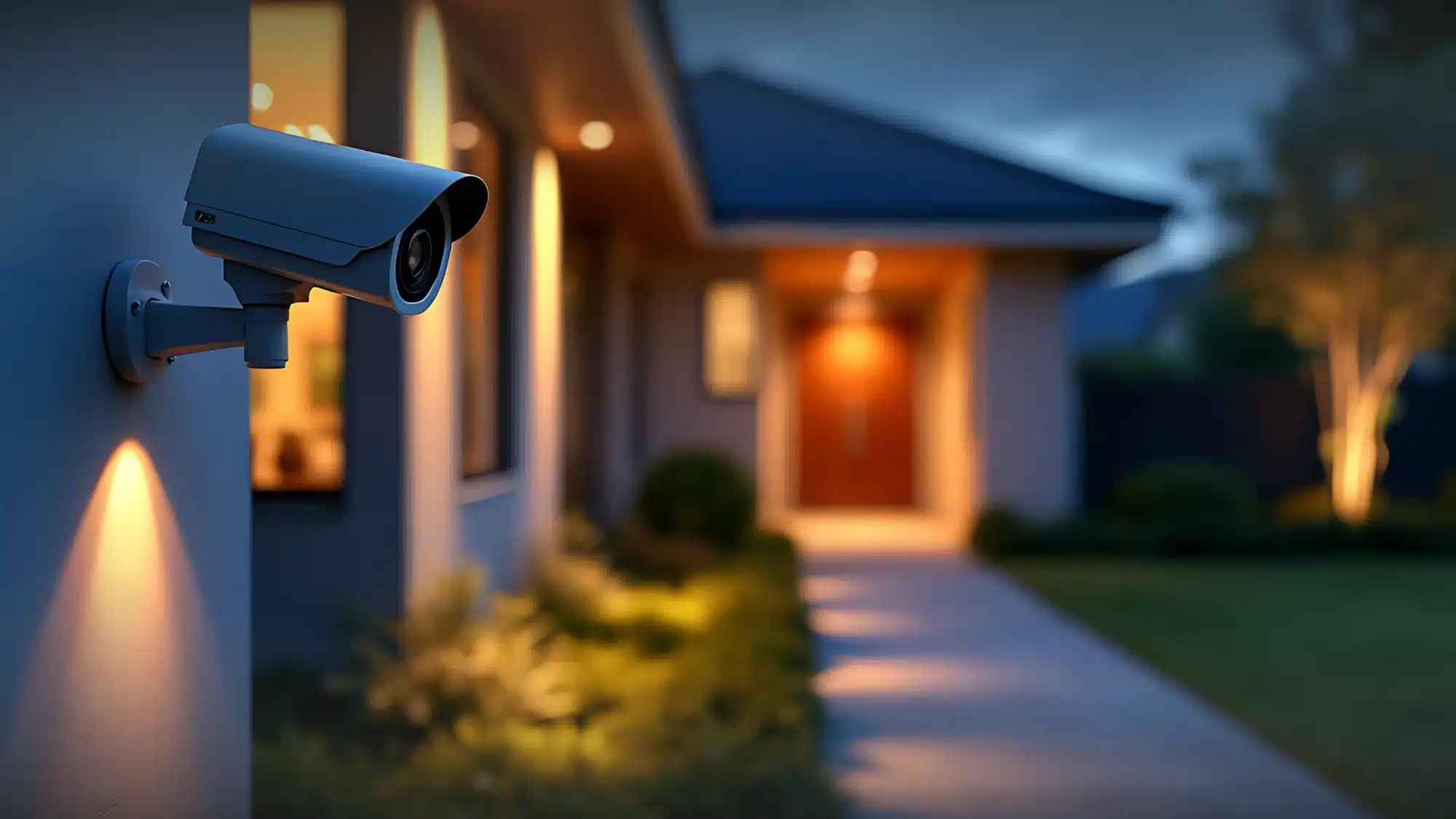
Ensuring your property has useful surveillance coverage starts with more than simply installing several cameras. Camera location, viewing angles, lighting, potential obstructions, and the areas you need to monitor can all affect how useful your surveillance system is.
For homeowners and businesses considering security cameras in Stamford, CT, Lynx Systems LLC provides professionally designed security solutions that can help reduce unnecessary blind spots and improve visibility around a property.
The Importance of Camera Placement
Strategically positioned cameras can provide greater visibility around important areas of a property. Poor placement, on the other hand, may leave entrances, driveways, garages, or outdoor areas outside the camera’s useful field of view.
In Stamford, CT, residential and commercial properties can differ considerably in size and layout. Instead of relying on the same camera arrangement for every property, placement should be based on the specific areas that need monitoring.
Identifying Potential Blind Spots
Properly identifying blind spots is the first step. Evaluate your property’s exterior, focusing on:
- Primary and secondary entrances
- Driveways and garages
- Side or rear access points
- Patios and frequently used outdoor areas
Walk around the property and consider what each proposed camera would actually capture. Fences, landscaping, corners, walls, and other structures can potentially block important viewing areas.
Steps to Optimal Security Camera Placement
- Assess Vulnerable Areas: Walk around your property to identify entrances, access points, and areas with limited visibility.
- Choose Appropriate Mounting Locations: Position cameras where they can provide useful coverage while reducing the risk of unnecessary obstruction or interference.
- Avoid Obstructions: Make sure tree branches, landscaping, walls, or building features don’t unnecessarily block the camera’s view.
- Adjust for Lighting Conditions: Consider direct sunlight, exterior lighting, shadows, and nighttime conditions when determining camera angles.
- Test Camera Coverage: Review actual footage before finalizing the setup to identify areas that may still be outside the intended field of view.
Professional installation can help determine appropriate locations based on the property and camera system rather than relying on one universal mounting rule.
Benefits of Strategic Placement
Well-placed security cameras can provide several practical benefits, including:
- Greater Visibility: Cameras can provide coverage of important entrances, driveways, garages, and outdoor spaces.
- Better Monitoring: Useful camera angles make it easier to monitor activity and review recorded footage when necessary.
- Fewer Blind Spots: Thoughtful placement can reduce areas around the property that aren’t adequately captured.
- Remote Awareness: Compatible surveillance systems can allow users to access cameras and security information while away from the property.
When comparing security cameras in Stamford, CT, placement should be considered alongside camera quality and system capabilities.
Considerations for Urban Settings Like Stamford, CT
Properties in more densely developed areas may present additional challenges, including nearby buildings, smaller outdoor spaces, neighboring properties, street activity, and limited camera angles.
Wide-angle cameras can be useful for covering larger viewing areas with fewer devices. Camera positioning should also account for the boundaries of the property and focus surveillance on areas relevant to the owner’s security needs.
Lynx Systems LLC can design residential and commercial surveillance systems around individual property layouts and integrate cameras with other compatible security technologies.
FAQs
How many cameras do I need for my property?
There is no universal number. Camera requirements depend on property size, entrances, layout, viewing angles, and the areas you want to monitor.
Should I choose wired or wireless cameras?
Both can be effective. The appropriate choice depends on the property’s construction, network, power availability, desired camera locations, and overall security design.
Can outdoor cameras withstand harsh weather?
Outdoor cameras are designed for exterior environments, but weather resistance varies by model. Equipment should be selected according to its intended installation location and manufacturer specifications.
How often should I maintain my security cameras?
Inspect cameras periodically for dirty lenses, physical damage, obstructions, connectivity issues, and applicable software or firmware updates.
For property owners exploring security cameras in Stamford, CT, strategic placement can make surveillance more useful without simply adding cameras everywhere. Contact Lynx Systems LLC to discuss professional camera installation for your property.