May 1, 2026
Lynx Systems, a Connecticut-based provider, helps local facilities safeguard lives and assets with comprehensive fire protection solutions. This article outlines the range of fire protection CT services available in Connecticut and the benefits of investing in a properly designed system. By understanding your options, you can choose a solution that meets current codes, protects people, and supports business continuity.
The Range of Fire Protection Services Available in Connecticut
Services for Fire protection in CT span design, installation, maintenance, and ongoing protection. Below are the core offerings you’re likely to encounter in Connecticut facilities:
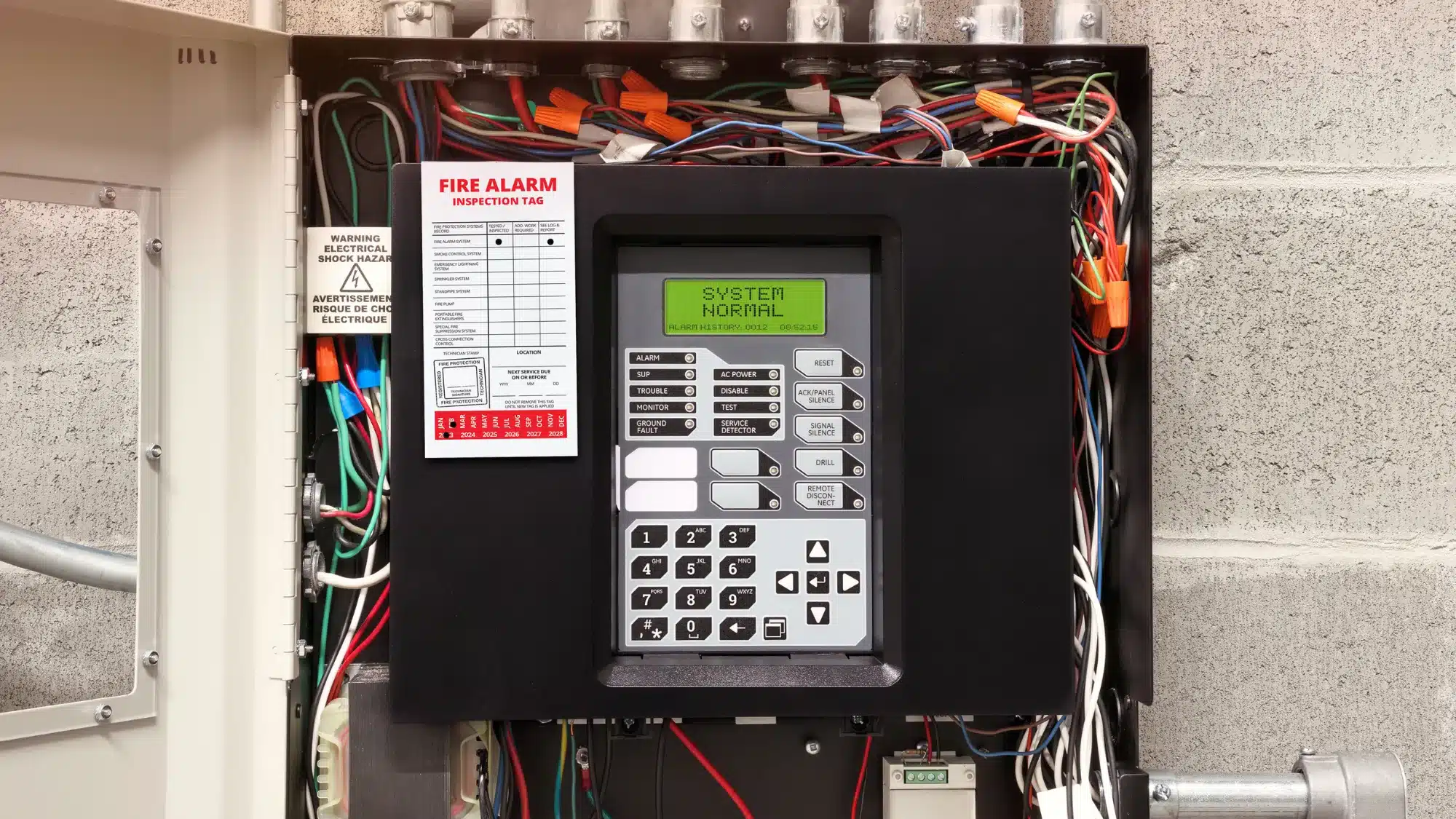
- Fire Alarm and Detection Systems: Modern fire alarm systems include smoke and heat detectors, notification appliances, and central control panels. These systems are designed to meet NFPA standards and local code requirements, delivering early warning and clear direction during an incident. Regular testing and routine maintenance help ensure alarms function when needed.
- Fire Suppression and Sprinkler Systems: Fire suppression covers both water-based sprinkler systems and specialized extinguishing approaches for sensitive environments (e.g., data rooms, kitchens, and manufacturing areas). Proper design, installation, and testing minimize property damage while protecting occupants. Connecticut projects often require coordination with the local fire marshal and adherence to NFPA 13 or other applicable standards.
- Fire Extinguishers and Emergency Equipment: Portable fire extinguishers, fire blankets, emergency lighting, and exit signage are essential components of on-site safety. Routine inspections and monthly servicing keep equipment ready for use and ensure compliance with applicable regulations.
- Inspection, Testing, and Maintenance: Ongoing upkeep is critical for reliability. Regular inspections, functional tests, and preventive maintenance help identify wear, corrosion, or system faults before they become failures. In Connecticut, many facilities implement maintenance contracts that specify response times, testing intervals, and documentation to support compliance.
- Consulting, Code Compliance, and Emergency Planning: Professional guidance helps facilities align strategies for fire protection in CT with current codes and insurance expectations. Consulting services often cover risk assessment, system integration, replacement planning, and emergency action plans that prepare staff and occupants for safe evacuation.
- Smart Monitoring and Remote Diagnostics: Advances in connectivity enable remote monitoring of fire protection systems. Real-time alerts, diagnostic data, and centralized dashboards improve response times and reduce downtime, especially for multi-site operations in Connecticut.
Benefits of Investing in Comprehensive Fire Protection
- Enhanced safety for occupants: Early detection and rapid notification reduce the risk of injury during a fire event.
- Regulatory compliance and insurance considerations: A well-designed program helps meet NFPA standards and local requirements, which can support safer audits and potentially influence insurance premiums.
- Business continuity and asset protection: Protecting critical equipment, data, and inventory minimizes downtime and preserves operations after an incident.
- Predictable budgeting and maintenance: Planned inspections and service contracts create predictable costs and reduce the likelihood of disruptive, unscheduled outages.
How to Choose the Right Fire Protection Partner in Connecticut
- Evaluate experience with Connecticut facilities similar to yours, including building type, occupancy, and hazard profile.
- Confirm licensed technicians, 24/7 service options, and clear response times; maintenance plans should outline tests, replacements, and documentation.
- Ask about integration capabilities with existing systems, scalable designs for future growth, and the ability to provide ongoing training for staff.
- Request references and case studies that illustrate successful installations, compliance outcomes, and emergency readiness.
- Consider a no-obligation assessment from a local provider to tailor a plan that fits your budget and risk tolerance.
Getting Started with Fire Protection in CT
For Connecticut organizations seeking a practical, compliant approach to fire protection, the first step is a comprehensive site assessment. This helps determine vulnerabilities, appropriate system types, and a phased implementation path. Engage with a local partner who understands both NFPA standards and Connecticut-specific considerations, and ask for a detailed proposal that covers design, installation, testing, and maintenance.
Understanding the range of fire protection CT services available in Connecticut empowers facility managers to make informed decisions that protect people, property, and operations. By prioritizing code-compliant design, reliable maintenance, and proactive planning, you’ll enjoy safer environments and more resilient businesses. If you’re in Connecticut and ready to explore tailored options, consider reaching out to Lynx Systems for a consultation to discuss your specific needs and goals.