
September 30, 2026
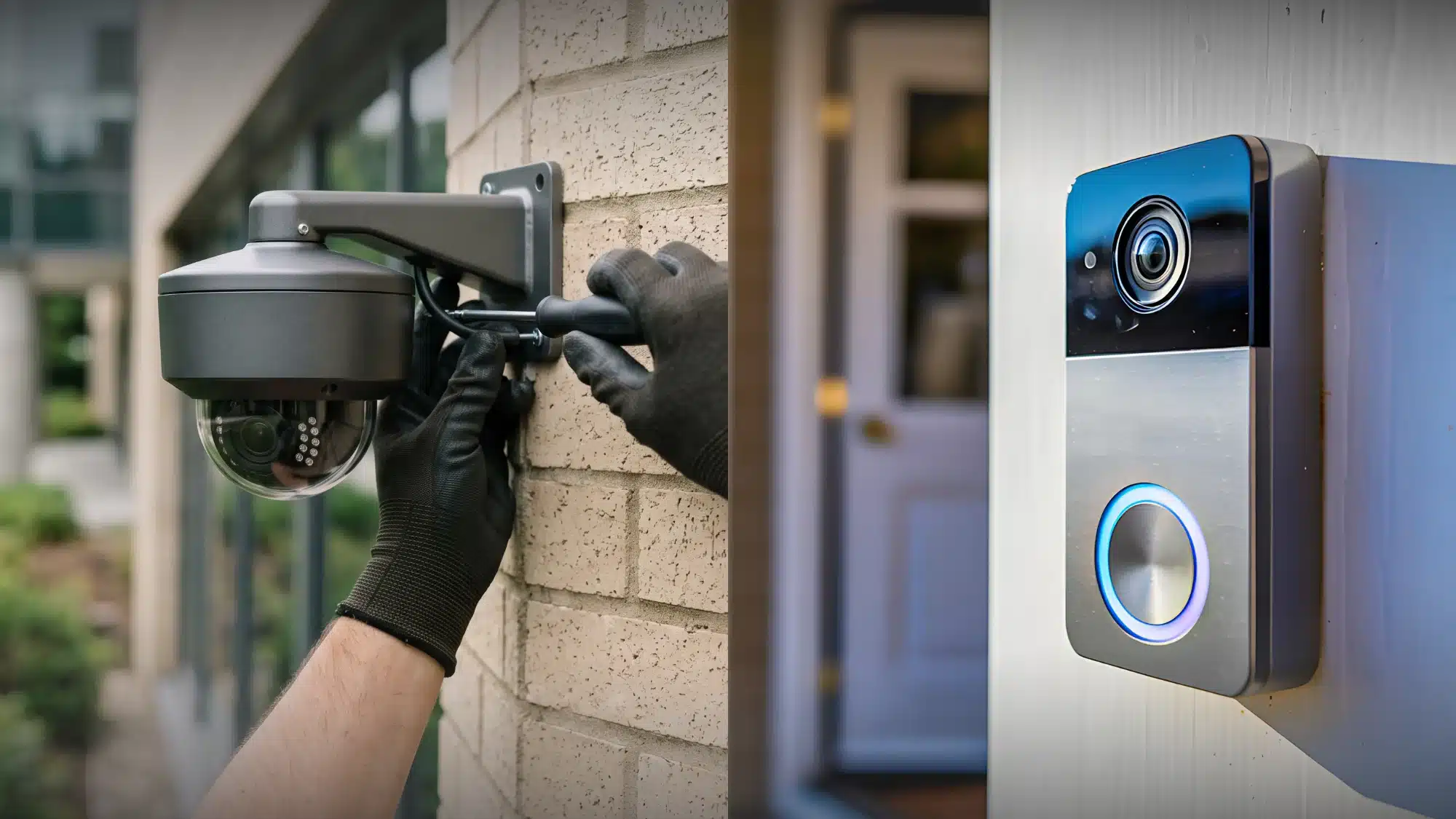
When considering security options for your property in Southington, CT, understanding the differences between wired and wireless security cameras is important. The right choice depends on your property’s existing infrastructure, desired camera locations, network, and security requirements.
At Lynx Systems LLC, we provide professionally installed wired and wireless security solutions. For property owners comparing security cameras in CT, understanding the advantages and limitations of each option can help you make an informed decision.
Advantages of Wired Security Cameras
Wired security cameras can provide several practical advantages depending on the property and overall system design. Here’s why they might be the right choice for you:
- Consistent Connection: A properly designed wired system can reduce dependence on wireless connectivity between cameras and other system components.
- Suitable for Permanent Installations: Wired cameras can be a practical option when the property already has appropriate infrastructure or wiring can be incorporated during installation.
- Continuous Power Options: Depending on the system, wired cameras can receive continuous power without relying on individual camera batteries.
Professional installation can help determine where wiring should be routed and how cameras should be positioned for useful coverage.
Benefits of Wireless Security Cameras
Wireless security cameras provide a different set of advantages that may be appropriate for certain homes and businesses:
- Less New Wiring: Wireless technology can reduce the amount of new wiring and structural changes required throughout a property.
- Placement Flexibility: Wireless connectivity may provide additional options when running new communication cables would be difficult.
- System Integration: Wireless cameras can work alongside compatible sensors, alarms, monitoring, and automation technology.
Remote access is also available with many modern security systems, whether cameras communicate through wired or wireless technology.
Considerations When Choosing Between Wired and Wireless
Several factors should guide your decision when comparing security cameras in CT:
- Existing Wiring: A property with suitable infrastructure may be well suited to a wired configuration.
- Camera Locations: Consider where cameras need to be positioned and how easily power and network connections can reach those areas.
- Network Stability: Wireless cameras may depend more heavily on reliable wireless network coverage.
- Remote Access: Determine whether you want to view surveillance information while away from the property.
- Future Expansion: Consider whether cameras or other security devices may need to be added later.
Some properties may benefit from a combination of wired and wireless technology rather than choosing one exclusively.
Installation Process Overview
Whether you choose wired or wireless, understanding the installation process can be helpful. Here’s a general overview:
- Site Assessment: Evaluate the property to identify important areas and potential camera locations.
- Equipment Selection: Choose cameras and supporting equipment suited to the property’s requirements.
- Installation: Properly position and configure cameras, wiring, network connections, and other necessary equipment.
- Testing: Review camera views and system operation to confirm that important areas receive useful coverage.
Professional installation can be especially helpful when cameras are being integrated with intrusion detection, monitoring, or smart-home technology.
Maintaining Your Security Cameras
Regular maintenance can help keep your security system functioning as intended:
- Software Updates: Follow applicable manufacturer or security-provider recommendations for software and firmware updates.
- Physical Inspection: Keep lenses clean and check cameras, connections, and mounting hardware for damage or obstruction.
- System Checks: Periodically confirm that cameras are recording and displaying the intended areas.
FAQs on Security Cameras in CT
Are wired cameras more secure than wireless?
Not automatically. Security depends on the equipment, network configuration, software, installation, access controls, and other safeguards used with the system.
Which is easier to install?
Wireless technology can reduce the need for new communication wiring, but installation requirements vary by camera and property.
Do wireless cameras need an Internet connection?
Requirements vary by system. Internet connectivity is commonly needed for features such as remote viewing, cloud-based functions, and notifications.
What is the average lifespan of a security camera?
There isn’t one standard lifespan. Equipment longevity depends on the camera, environment, usage, installation, maintenance, and manufacturer specifications.
Choosing between wired and wireless cameras should start with your property’s actual requirements. Lynx Systems LLC can assess your Southington property and recommend a wired, wireless, or combined configuration. Contact the team to discuss your options for security cameras in CT.