
April 6, 2026
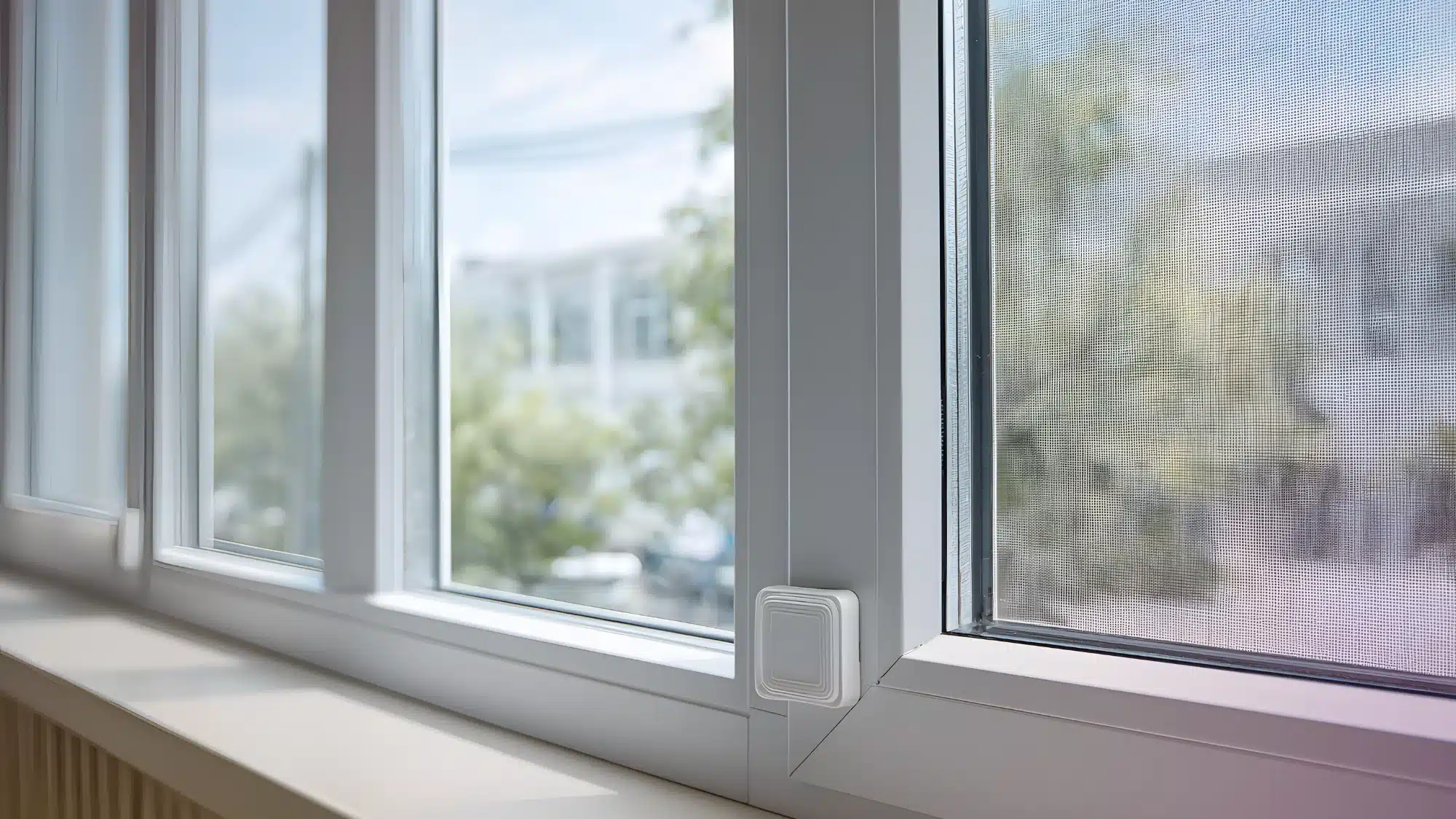
Glass break sensors play a vital role in modern security systems by detecting the sound or vibration of glass being broken and triggering an alert. For homeowners and businesses in Connecticut, glass break sensor installation offers an important layer of protection that complements door and window sensors, providing faster detection and response. This article explains how these sensors work, their benefits, and what to expect when you choose a professional installation.
What They Do and How They Work
Glass break sensors come in two common configurations: acoustic (sound-based) and seismic (vibration-based). Some models combine both technologies for higher accuracy.
- Acoustic sensors listen for the distinctive frequency patterns produced when glass breaks. They are effective in detecting the telltale cracking and shattering sounds.
- Seismic sensors detect the physical vibrations caused by glass impact, which helps identify break-ins even if the sound is muffled by other objects or environmental noise.
- Dual-technology sensors use both approaches to improve reliability and reduce false alarms. For best results, proper placement and calibration are essential.
Key benefits include faster alarm activation after a break-in, better coverage for large windows or glass doors, and enhanced compatibility with existing security systems. By focusing on glazing points, these sensors help reduce property damage and increase the chances of a rapid response from monitoring centers or responders.
Why They Matter in Connecticut Security
In CT properties, glass break sensors provide an important deterrent and early-warning capability. They help cover potential entry points that may be less visible or harder to monitor with cameras alone. When integrated with a central monitoring system, glass break sensor installation in CT ensures that an incident can be detected even if a window is left open or if someone attempts to bypass door sensors. In practice, this means faster notification, fewer false alarms, and a stronger overall security posture for homes and small businesses.
Glass Break Sensors Installation CT: What to Expect
Professional installation ensures sensors are correctly placed and calibrated for your space. A typical process includes:
- Site assessment: Identifying vulnerable windows, glass doors, and high-traffic areas to determine optimal sensor locations.
- Placement planning: Ensuring sensors have clear acoustic or seismic access to the glass without unnecessary interference from furniture, thick curtains, or heavy machinery.
- Installation and integration: Connecting the sensors to the existing security system and configuring them to trigger the appropriate alert levels.
- Testing and calibration: Verifying sensitivity, adjusting thresholds to minimize false alarms (for example, in windy or stormy conditions), and confirming reliable communication with the monitoring service.
Choosing a Provider: Lynx Systems
Lynx Systems offers professional glass break sensor installation in CT as part of a comprehensive security solution for homes and businesses. Working with a qualified provider helps ensure your system is properly designed for your building, meets local codes, and remains reliable under Connecticut conditions. A reputable installer will provide a clear plan, transparent pricing, and documented testing results so you know your system is performing as intended.
Maintenance, Testing, and Best Practices
- Regular testing: Conduct sensor tests monthly or per the installer’s recommendation to confirm sensitivity and system response.
- Battery and power checks: Inspect backup power options and replace batteries as needed to prevent loss of detection during outages.
- Environment awareness: Be mindful of changes in the area that could affect performance (new furniture, heavy drapes, nearby construction, or changes in window glazing).
- Alarm response coordination: Ensure your monitoring service and, if applicable, first responders are up to date with contact information and escalation procedures.
Buying Tips and Quality Indicators
- Dual-technology sensors often offer higher reliability in diverse environments.
- Look for tamper-resistant designs and clear diagnostics that simplify maintenance.
- Confirm that the system integrates smoothly with your existing security setup and any smart home features you rely on.
- Ask about false alarm reduction features, such as adaptive sensitivity or regional calibration options relevant to Connecticut climates and typical noise levels.
Glass break sensors add a crucial layer of protection by detecting entry attempts that bypass traditional door and window sensors. When implemented with professional glass break sensor installation in CT, you gain better coverage, faster detection, and improved overall security. For property owners in Connecticut seeking a reliable, professionally installed solution, Lynx Systems stands ready to assess your space, design an appropriate sensor layout, and complete installation with careful testing. If you’re moving toward a stronger security posture, consider requesting a consultation to explore how glass break sensors can strengthen your system today. Contact Lynx Systems to discuss your needs and obtain a quote for the installation of glass break sensors.